Components used in robotics programmes
Overview
A robot is a hostile environment for an elastomer component. Joints rotate and flex continuously, so seals see cyclic shear rather than static compression. Coolant mist, metal dust and washdown chemicals reach places that are difficult to seal. Vibration is structural and continuous rather than occasional. And the cost of a failed component is not the component — it is an unplanned line stop. Designing for robotics means accepting that the part will be worked hard, and specifying accordingly.
The Problem This Solves
The failure modes we are asked to solve in robotics cluster into four groups: contamination ingress at a joint, vibration that degrades accuracy or loosens hardware, protection parts that restrict the motion they were meant to permit, and cable or connector failures caused by uncontrolled movement. Each has an elastomer solution, but only if the component is designed as part of the mechanism rather than added to it.
Where These Components Are Used
| Application point | What the component does there |
|---|---|
| Articulated arm joints and wrists | Rotary and lip seals that have to survive cyclic shear rather than static compression |
| End-effectors and grippers | Contact sleeves and pads that take the wear, plus sealing at the finger assembly |
| Teach pendants and control units | Sealed tactile keypads, conductive where the switch design requires it |
| Cable runs across moving axes | Sleeves, grommets and strain relief that control the movement instead of fighting it |
| Mobile robots and AGVs | Feet, pads and bumpers for stability and impact protection |
| Quadruped legs and body joints | Sealing and protection parts for articulated legs |
Component Families We Supply for Robotics
| Family | What it does |
|---|---|
| Robot sealing components | Gaskets, seals and lip seals at joints, wrists, end-effectors and housing interfaces |
| Protective sleeves & bellows | Dust, coolant and impact protection over joints and exposed mechanisms |
| Vibration dampers | Tuned damping for end-effectors, sensors and precision payloads |
| Cable protection components | Sleeves, grommets and strain relief for cable runs and connectors |
| Robot keypads & teach-pendant interfaces | Sealed, tactile, optionally conductive keypads for pendants and control units |
| Feet, pads and bumpers | Stability, non-slip contact and impact protection |
| Quadruped / robo-dog components | Sealing and protection parts for articulated legs and body joints |
What We Ask Before We Recommend a Material
- Joint motion: rotation, flexing or both — and the cycle rate
- Continuous and peak temperature at the component
- Coolant, dust, washdown chemical and metal swarf exposure
- Whether the part is a service item or must last the machine life
- Whether the component is a sealing element, a damping element, or both
- The consequence of failure — nuisance leak versus line stop
Why Low Friction Matters More Than Hardness
On a continuously articulating joint, seal friction is often the constraint that matters most. High friction raises motor current and heat, and it accelerates wear on both the seal and the bearing surface. The answer is usually a compound with a low-friction additive combined with gland geometry that controls compression precisely — not simply a softer seal. Getting this wrong is the most common reason a robot joint seal fails early.
Design for Serviceability
Where a component will be replaced during the machine life, we design it to be replaceable without dismantling the joint. That usually means a split configuration, a removable retaining feature, or a geometry that can be fitted over an assembled shaft. It costs little to design in and a great deal to retrofit.
How These Components Are Made
- Drawing review with manufacturability and tolerance feedback before quoting
- Compound selection against temperature, chemistry and compression set
- Tooling design and manufacture in-house, including shrinkage compensation
- First-article samples shipped with inspection data for your testing
- Process parameters locked after approval, with in-process checks in production
- Dimensional, hardness and visual inspection records issued with shipment
Case Studies
Gripper Protective Sleeves for Robot Fingers
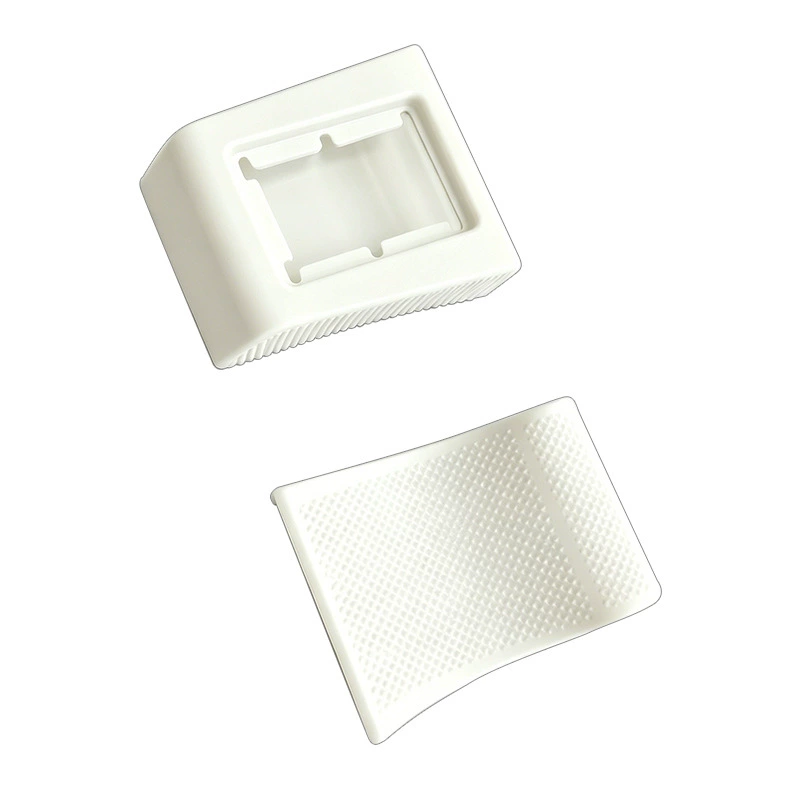
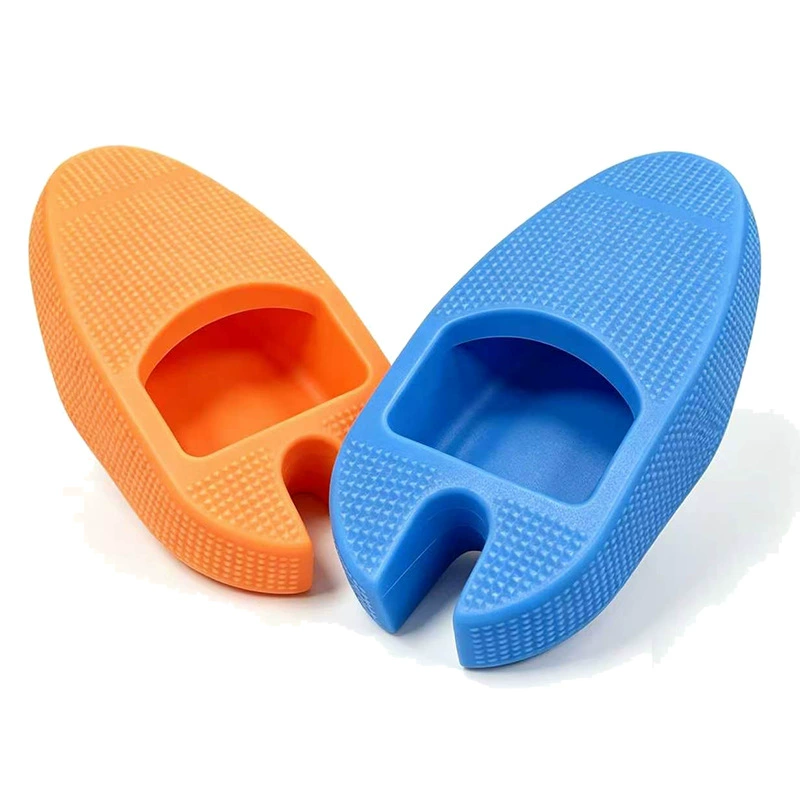
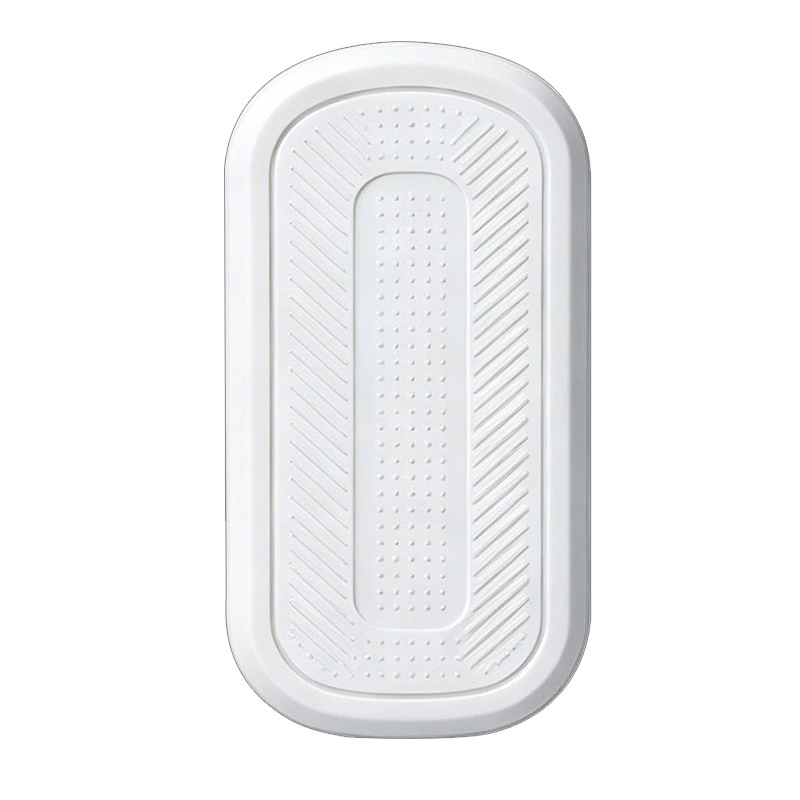
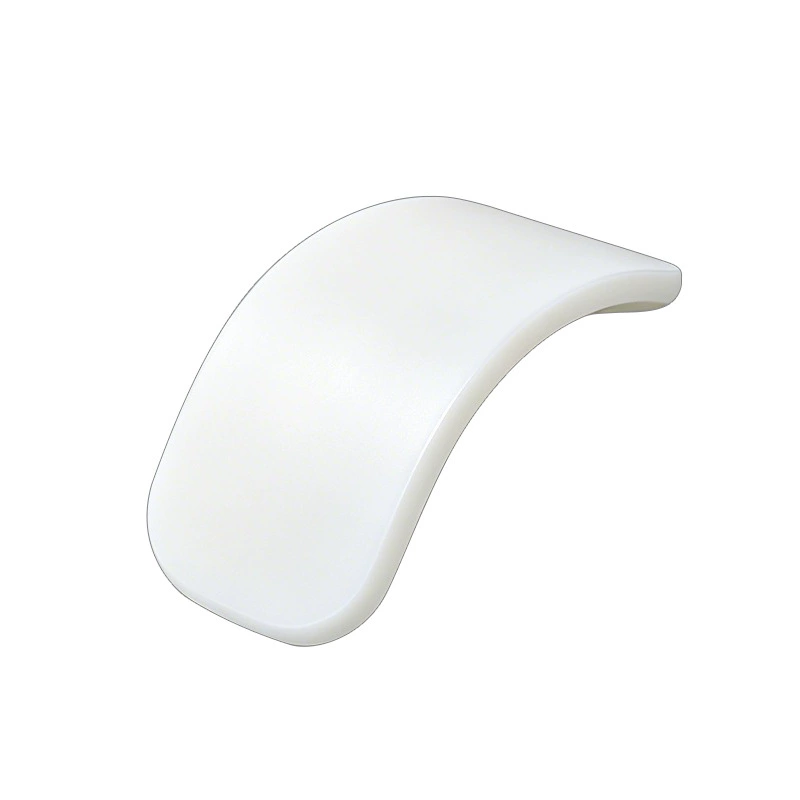
Sleeves that fit over the robot fingers of a gripper, supplied for household laundry handling and for parcel sorting. Specified for wear at the contact face.
Vibration Damping Silicone Components
Silicone damping components for robotic equipment, selected for damping across the service temperature range and stable behaviour under repeated cycling.
Frequently Asked Questions
It depends on the temperature and the exposure. Silicone is usually the default because of its temperature range and stable compression set. Where coolant or oil contact dominates and temperature is moderate, EPDM or NBR may be appropriate. We will not recommend a compound without knowing the environment.
By matching the compound and geometry to the motion. Lower friction compounds, controlled compression and geometry that accommodates the articulation range. This is a design problem solved at the drawing stage.
Often yes, and it is usually better: combining the functions removes an interface and a potential leak path. It requires the damping requirement to be established before tooling.
Yes. Leg joints and body interfaces present the same sealing and protection problems as any articulated mechanism, and the same design approach applies.
By tuning stiffness and damping to the mass and frequency of the payload rather than selecting an isolator by size. See our vibration damper page for the method.
Yes. We can reverse-engineer from an existing part, produce samples to evaluate, and design tooling to match — including improvements to a part that is failing in the field.
Related Pages
Silicone Sealing Solutions for Robotics
Why robot joints leak, and how the seal is designed to stop it.
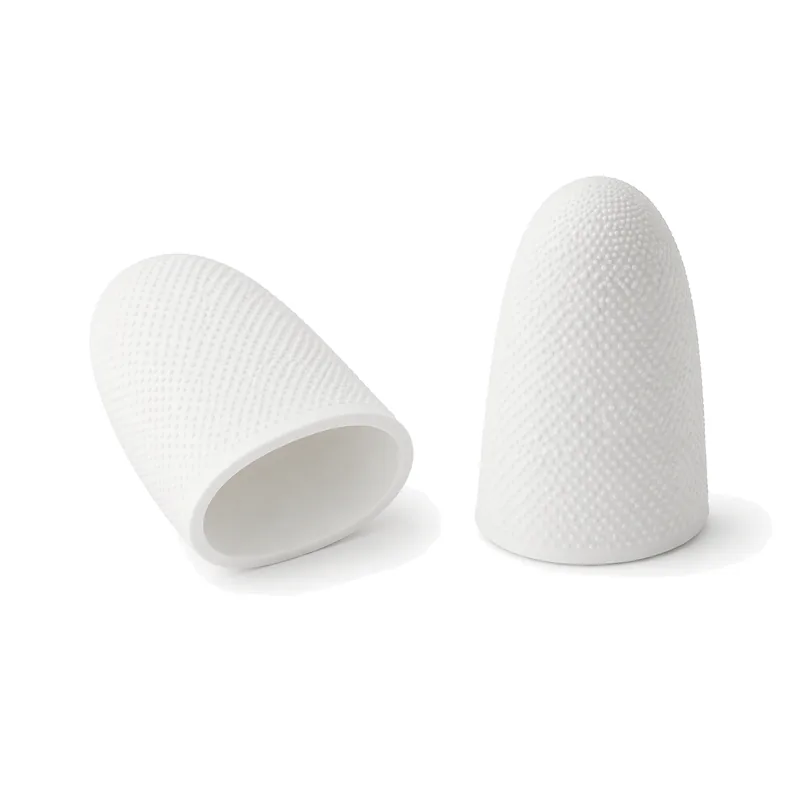
Protective Sleeves & Covers
Joint, cable and connector protection for moving mechanisms.
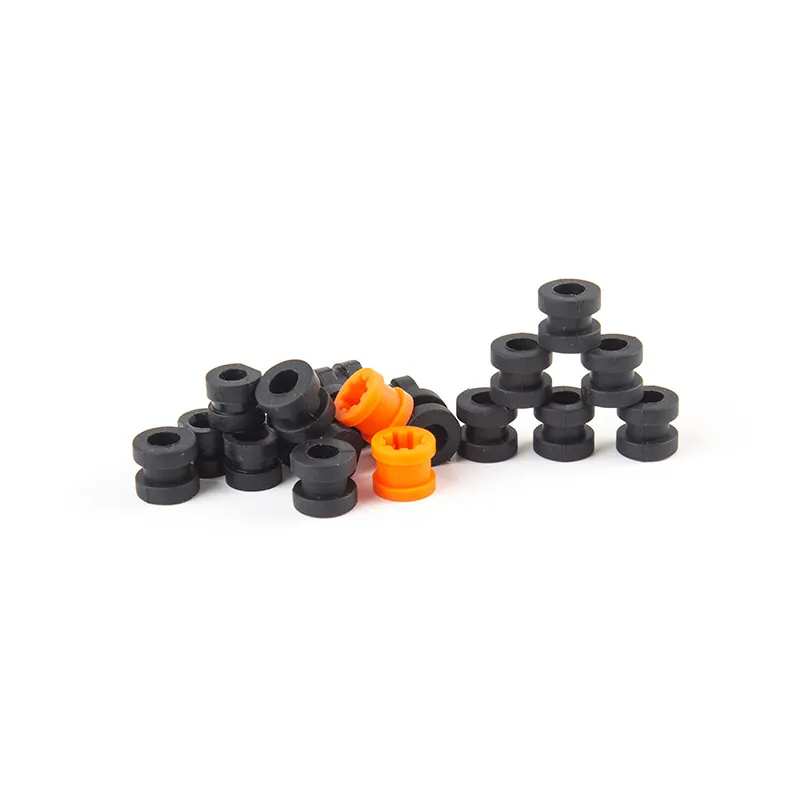
Vibration Dampers
Tuned silicone damping for end-effectors and precision payloads.
Silicone Components for a Humanoid Robot Finger
Contact and sealing parts on an articulated finger, designed for wear and tactile consistency.