Sealing components for robot joints and end effectors
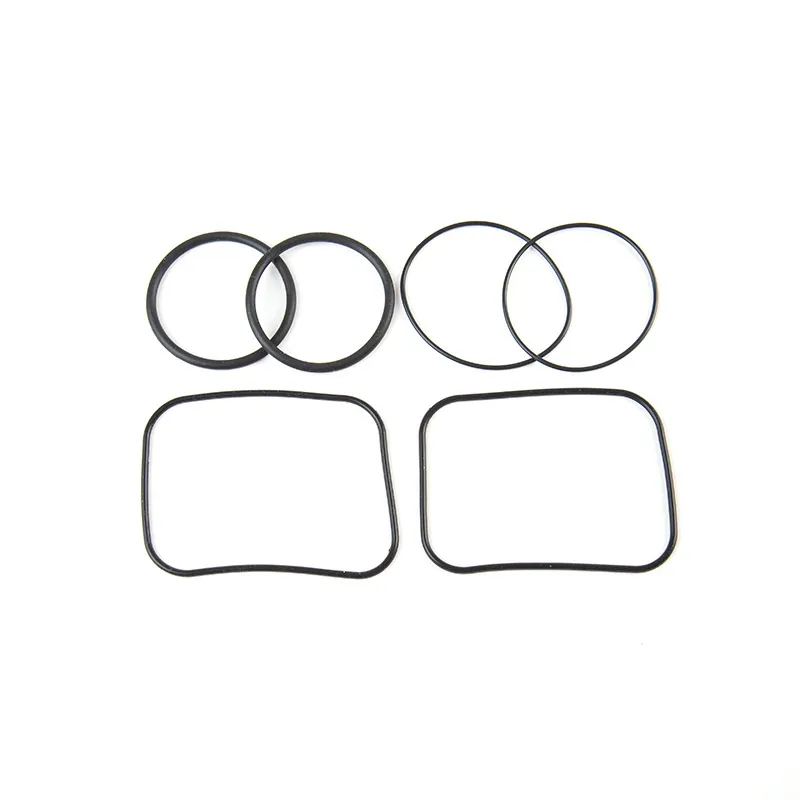
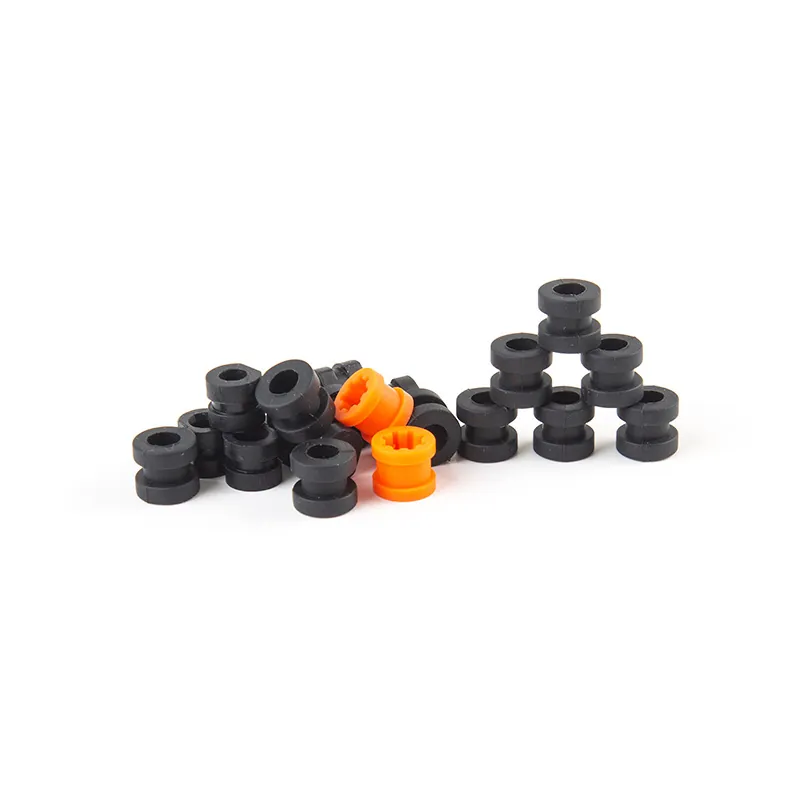
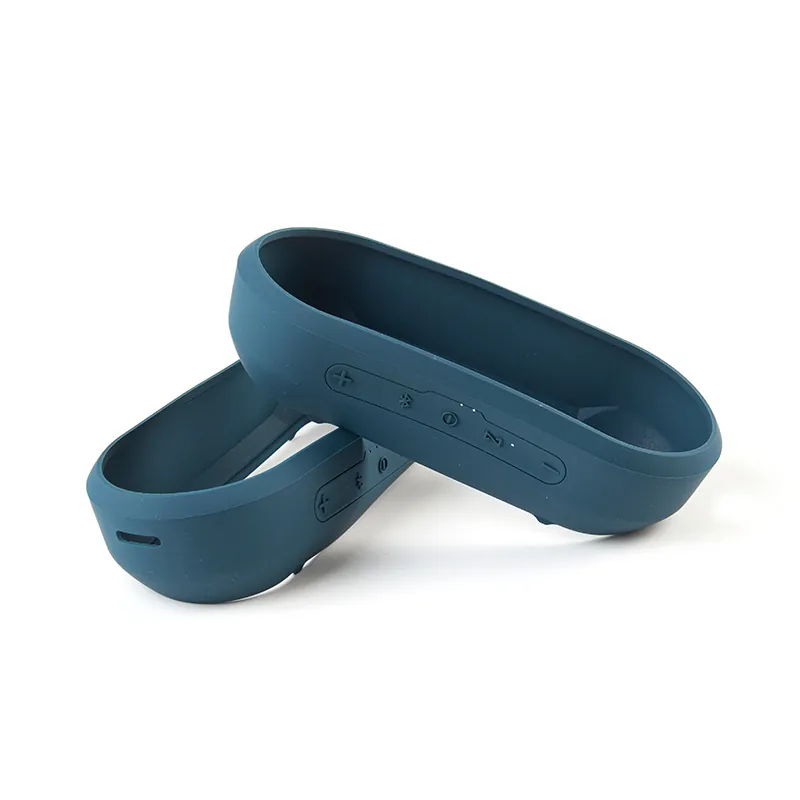
Overview
Robots leak because joints move. A seal in a static enclosure compresses once and stays compressed. A seal in a robot joint is asked to hold a seal while the surfaces it sits between rotate, flex and translate, at a rate measured in cycles per minute, in an environment containing coolant mist, metal dust and washdown chemicals, at temperatures that cycle with duty. That is a fundamentally harder problem, and it is why bolting a standard O-ring into a joint rarely works.
The Problem This Solves
The typical progression looks like this: the joint seals when new, starts weeping coolant after a few months, and eventually admits enough contamination to damage the bearing — at which point the cost is no longer the seal. Each stage has a different root cause: compression set removes the sealing force, friction raises heat and wears the seal, and contamination in the sealing zone abrades the sealing face. Addressing only one of the three moves the failure rather than removing it.
Step 1 — What Fails in a Robot Joint
| Symptom | Root cause | What actually fixes it |
|---|---|---|
| Slow weeping of coolant or water | Compression set: the elastomer stops springing back, so sealing force disappears | A compound with better compression-set resistance, plus gland geometry that allows more initial compression |
| Seal worn on one side | Friction and movement: the seal is being worked by articulation | Lower-friction compound and geometry that lets the seal follow the motion rather than resist it |
| Contamination reaches the bearing | Ingress past the sealing face or around a fastener | Sealing face designed without a flash line, plus dedicated sealing at pass-throughs |
| Early failure of a replacement seal | The replacement addresses the symptom, not the cause | Re-specify compound and geometry against the actual failure mechanism |
Step 2 — Design the Sealing Geometry
- Establish the compression band the gland can hold, accounting for machining tolerance and assembly variation
- Keep the flash line away from the sealing face — this is a mould design decision
- Design the sealing lip or profile to follow the joint motion rather than resist it
- Provide separate sealing at fastener pass-throughs and cable exits
- Design for replacement if the seal is a service item — a split or over-shaft configuration
Step 3 — Select the Compound
| Exposure | Starting compound | Why |
|---|---|---|
| General joint, wide temperature range | Silicone | Stable compression set and mechanical properties across temperature; resists ozone and UV |
| Coolant and water dominant, moderate temperature | EPDM | Excellent water and coolant resistance and economical |
| Oil and grease contact, moderate temperature | NBR | The correct elastomer for hydrocarbon fluids, where silicone would swell |
| Aggressive chemicals or sustained high temperature | FKM (Viton) | Where silicone and EPDM cannot survive the chemistry or the temperature |
Step 4 — Prototype and Verify
- First-article samples produced before mass production, with inspection data
- Fit and function verified on the real joint assembly, not on a test fixture alone
- Where the failure is progressive, a life-cycle test at the duty conditions
- Hardness and geometry iterated if the sample review requires it
- Process parameters locked only after approval
Step 5 — Production and Repeat Supply
Once the design is approved, the mould and process parameters are locked and the approved reference sample becomes the production standard. Dimensional and hardness records ship with the parts, and change control prevents quiet drift between batches — which is the mechanism by which a supplier's tenth batch stops matching its first.
Frequently Asked Questions
The most common cause is compression set: the elastomer stops springing back and the sealing force disappears. It is a compound and gland-design problem, and replacing the seal with an identical one will reproduce the same failure.
If the joint articulation works the seal, a standard O-ring is usually the wrong geometry — it cannot follow the motion. A custom moulded profile designed for the movement typically lasts far longer.
Yes. Friction raises motor current and heat and accelerates wear on both the seal and the bearing surface. On a continuously articulating joint it is often the limiting factor rather than the sealing performance itself.
Yes. Send the failed part and the exposure details. We will identify the failure mechanism and propose a compound and geometry change, then produce samples to verify.
With dedicated sealing at the pass-through rather than relying on the main gasket to cover it. Corners and holes are where industrial seals leak first.
The joint motion, the cycle rate, the temperature range, the coolant or chemical exposure, and the dimensions of the current sealing gland. A photograph of the failed part helps considerably.
Related Pages
Silicone Sealing Solutions for Robotics
Why robot joints leak, and how the seal is designed to stop it.
Protective Sleeves & Covers
Joint, cable and connector protection for moving mechanisms.
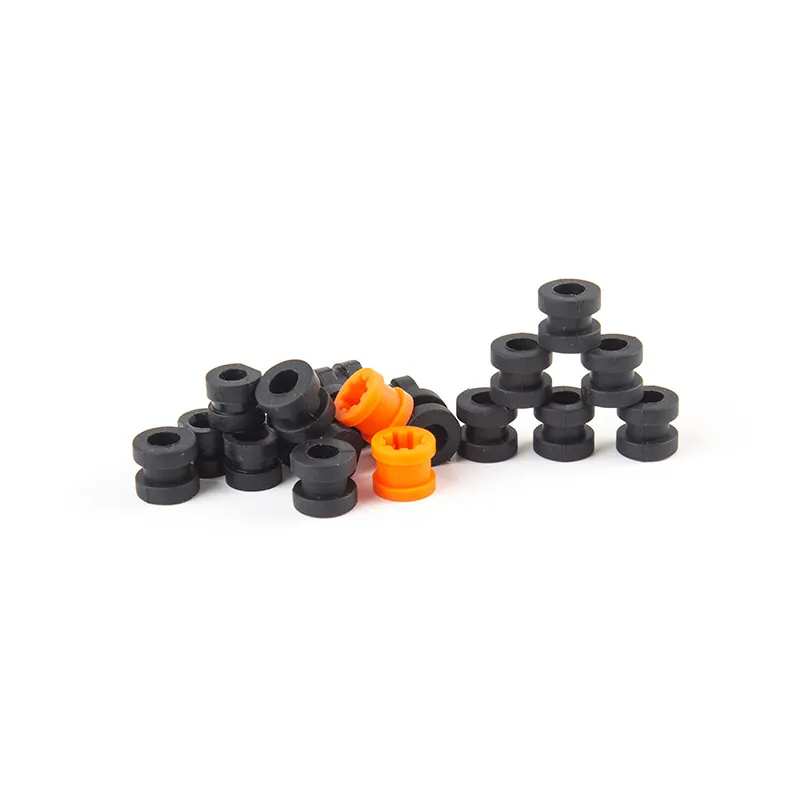
Vibration Dampers
Tuned silicone damping for end-effectors and precision payloads.
Silicone Components for a Humanoid Robot Finger
Contact and sealing parts on an articulated finger, designed for wear and tactile consistency.