Components used in automation equipment
Overview
Industrial automation is the broadest of our markets and the one where duty cycle matters most. A component on a machine running three shifts sees more cycles in a month than a consumer part sees in a lifetime. That changes the engineering: compression set, flex fatigue and wear become the properties that decide whether the machine runs to its planned maintenance interval or stops before it.
The Problem This Solves
Automation failures are expensive out of proportion to the component involved — a seal that costs very little can stop a line. The failures we are asked to solve are usually compression set in a static seal that stopped sealing after heat cycles, abrasion in a component exposed to swarf or chips, chemical attack from washdown agents, or a moulded part that was specified by size rather than by duty.
Where Our Components Sit in an Automation System
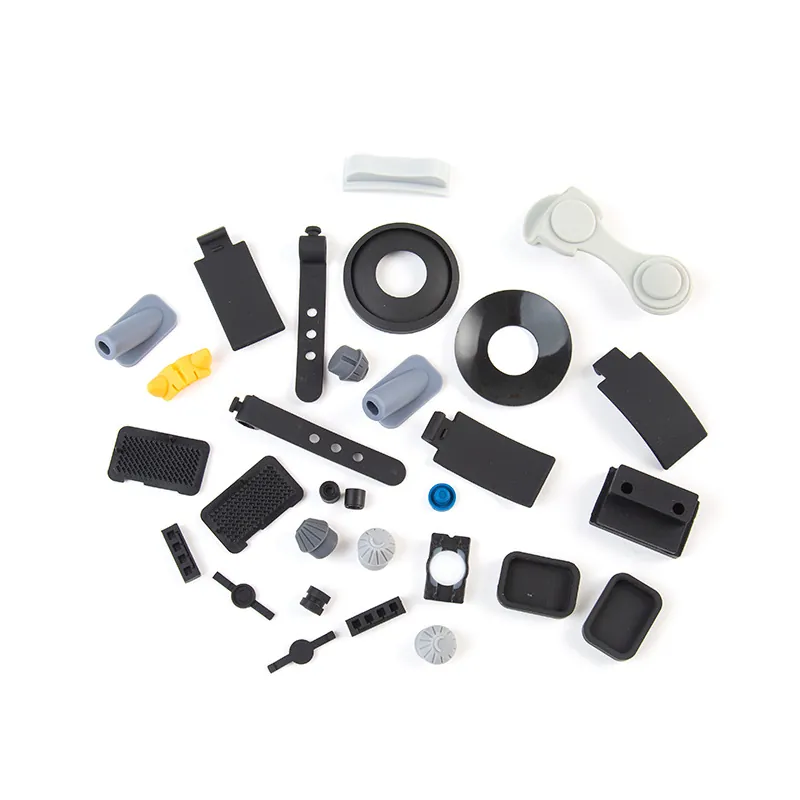
| Application | Component families |
|---|---|
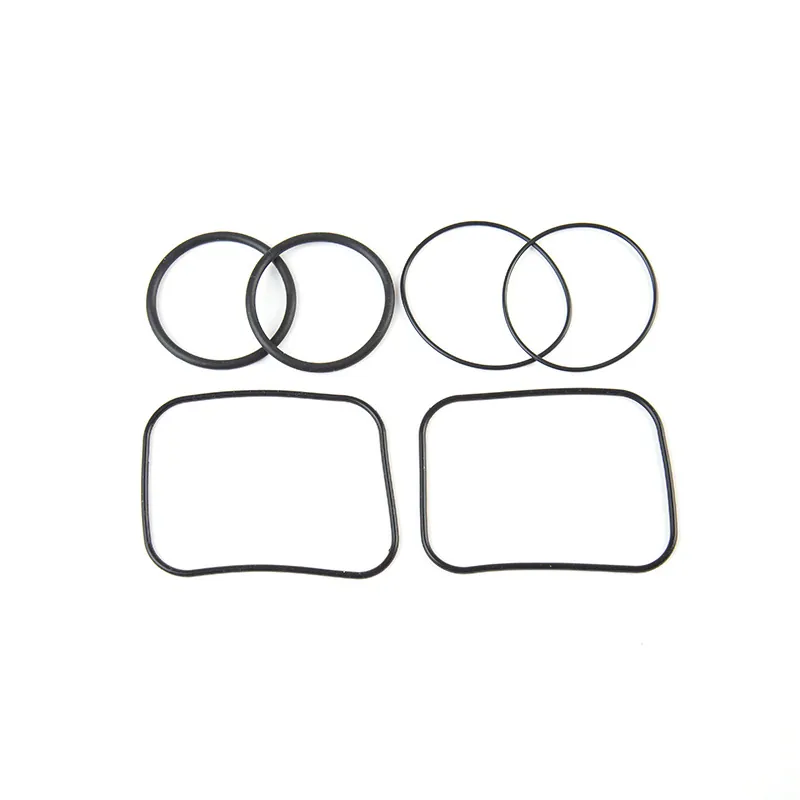
| Actuators and cylinders | Seals, wiper seals, O-rings, custom profiles |
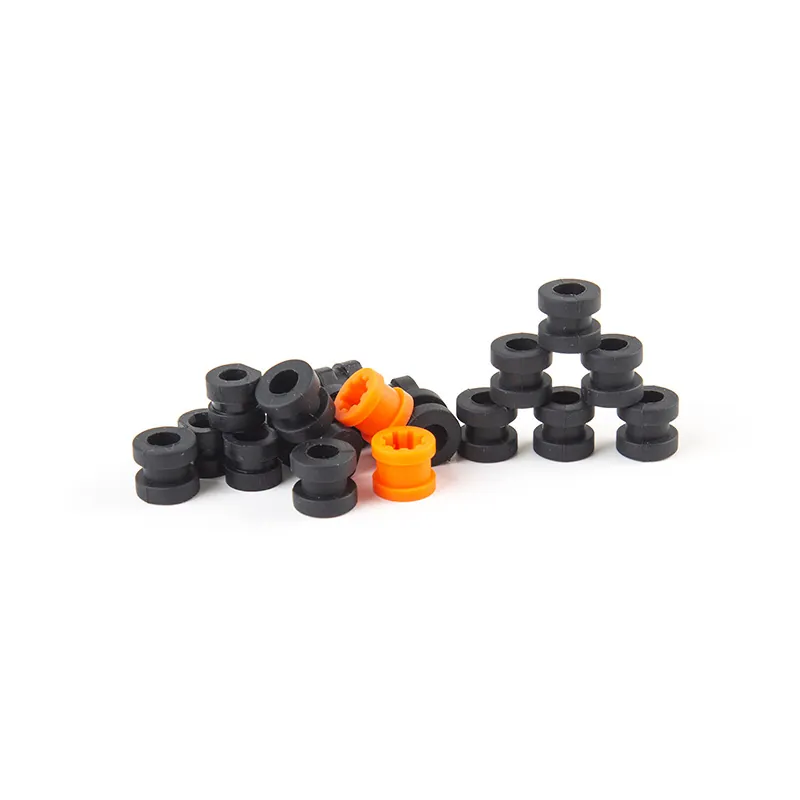
| Control cabinets and panels | Enclosure gaskets, keypads, cable grommets, feet |
| Conveyors and material handling | Belts-adjacent sealing, pads, dampers, bumpers |
| Machine frames and enclosures | Panel gaskets, isolation mounts, feet and levelling pads |
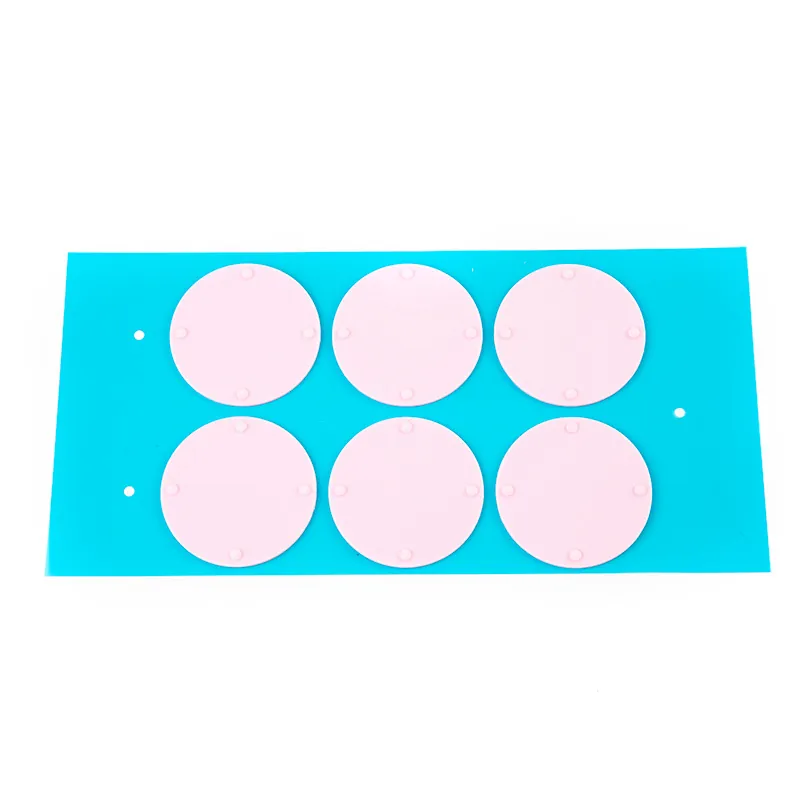
| End-effectors and grippers | Gripper pads, damping elements, protective covers |
| Sensors and instrumentation | Housing seals, isolation mounts, protective sleeves |
What Changes at High Duty Cycle
- Compression set becomes the dominant failure mechanism for static seals
- Flex fatigue life matters more than initial tensile strength
- Abrasion resistance at contact points drives service life
- Washdown and cleaning chemicals need to be specified, not assumed
- Thermal cycling accelerates ageing, so the compound matters more than the geometry
Washdown and Hygiene Environments
Machines that are washed down regularly present a specific challenge: the component must resist the cleaning chemistry, tolerate thermal cycling between wash and operation, and keep sealing as the elastomer ages faster. We ask for the cleaning agents and the wash temperature before recommending a compound — assuming "water" is the exposure is how washdown seals fail early.
Spares and Retrofit
Automation customers often need components for machines that are already in service. We reverse-engineer from an existing part, produce samples to evaluate, and produce tooling matched to the original — including correcting a design that is failing in the field. Where a machine is critical, we can quote a configuration intended for easier replacement.
How These Components Are Made
- Drawing review with manufacturability and tolerance feedback before quoting
- Compound selection against temperature, chemistry and compression set
- Tooling design and manufacture in-house, including shrinkage compensation
- First-article samples shipped with inspection data for your testing
- Process parameters locked after approval, with in-process checks in production
- Dimensional, hardness and visual inspection records issued with shipment
Case Studies
Frequently Asked Questions
Compression set on static seals, and abrasion on components near swarf or chips. Both are compound and geometry problems rather than random failures.
Give us the cleaning agents, the wash temperature and the frequency. The chemical exposure and thermal cycling decide the compound, and assuming plain water is the most common mistake.
Yes. We reverse-engineer from an existing part or drawing and produce matched replacements, including design improvements where the original is failing.
Yes, in silicone and rubber, with friction and compression set specified for the load and the part being handled.
By tuning stiffness and damping to the mass and frequency involved, rather than selecting an isolator by size. See our vibration damper page.
Dimensional and hardness inspection records with shipment, and material sheets on request. Where a specific certification is required, tell us at RFQ stage.
Related Pages
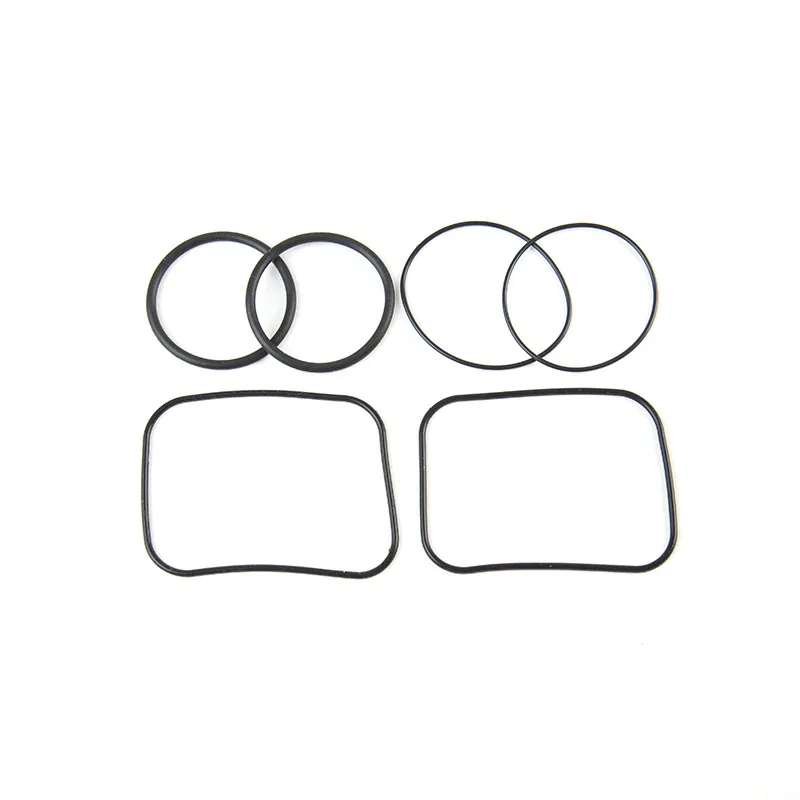
Silicone Gaskets
Enclosure and panel gaskets for control cabinets and housings.
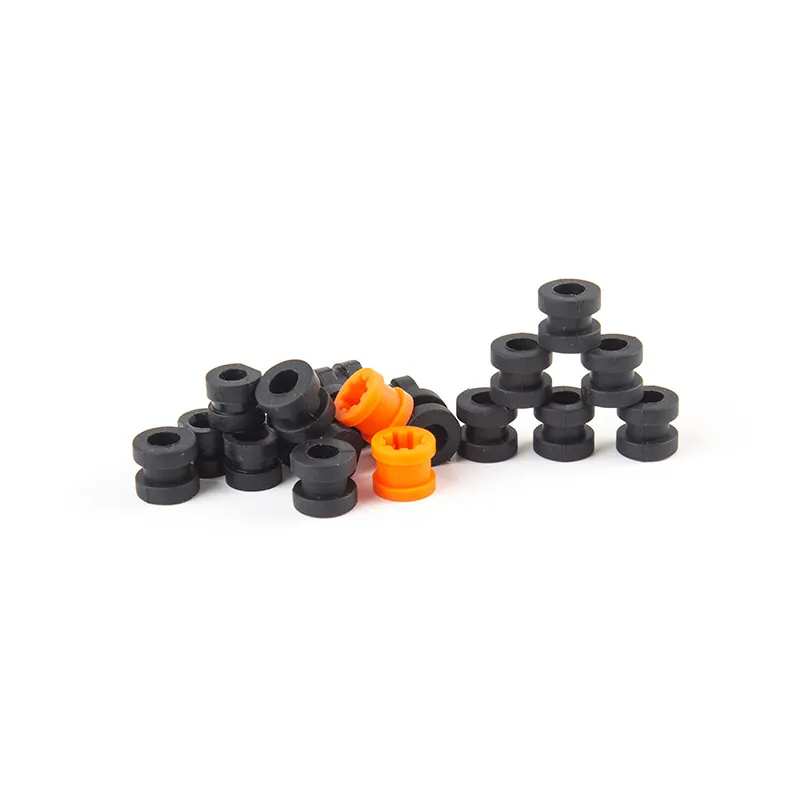
Vibration Dampers
Tuned damping and isolation for machine frames and payloads.
Compression Molding
The primary process for solid industrial rubber components.
Robotics
Sealing, damping and protection for industrial and collaborative robots.