Components used in electronic assemblies
Overview
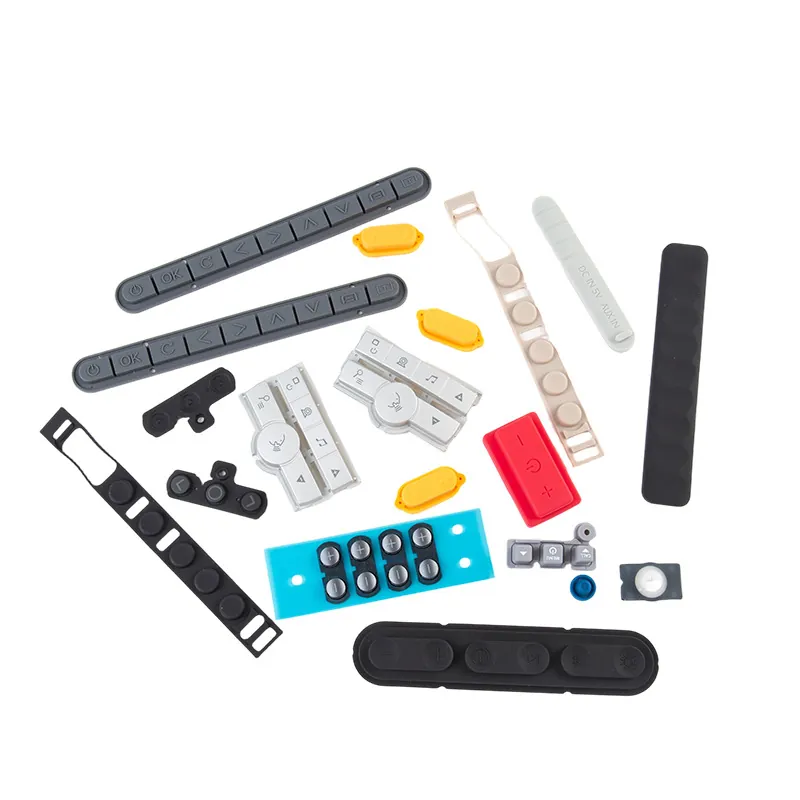
Electronic products ask two things of an elastomer component that are in tension with each other: the part must be soft enough to feel right and to seal reliably, and hard enough to survive the actuation life and the assembly process. In a keypad, the web geometry sets the feel and the sealing behaviour simultaneously, so it cannot be copied from a previous part without re-validation. In an enclosure seal, the compression band determines both IP performance and the assembly force the housing must tolerate.
The Problem This Solves
The electronics failures we are asked to fix are dominated by two patterns. Keypads lose tactile response or develop contact resistance drift, usually because the web and the conductive element were not designed together. Enclosure seals leak, usually at a corner or a fastener pass-through rather than along the main sealing run, because the seal was designed for the panel and not for the assembled housing.
Component Families for Electronics
| Family | Function |
|---|---|
| Silicone keypads | Tactile user interface with optional backlighting and integrated perimeter sealing |
| Conductive silicone keypads | Direct PCB contact switching with controlled contact resistance |
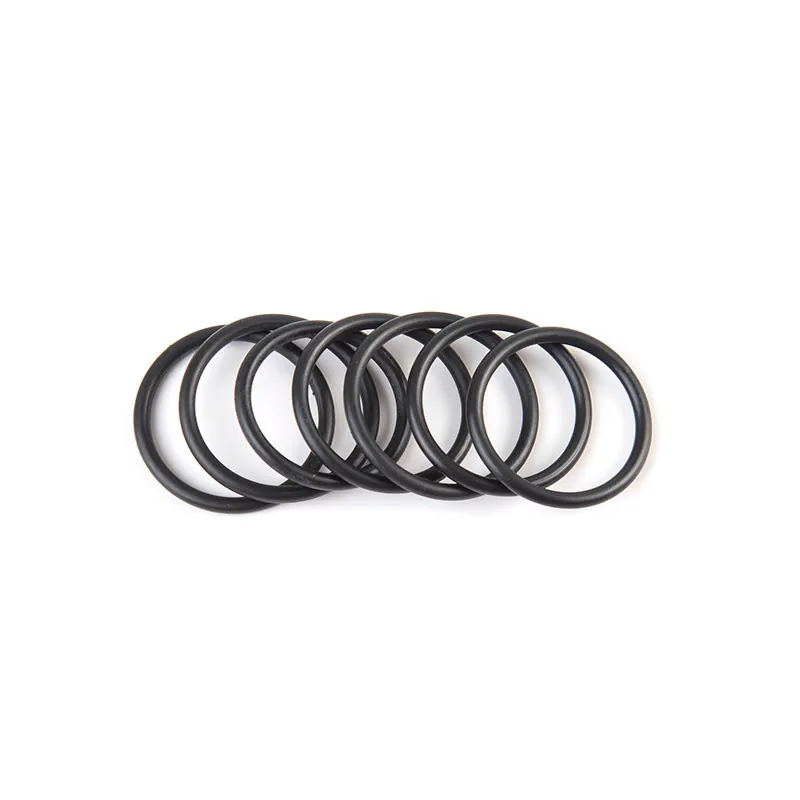
| Enclosure and housing seals | IP sealing for cabinets, handheld devices and instruments |
| Insulation and thermal components | Electrical insulation and thermal barriers |
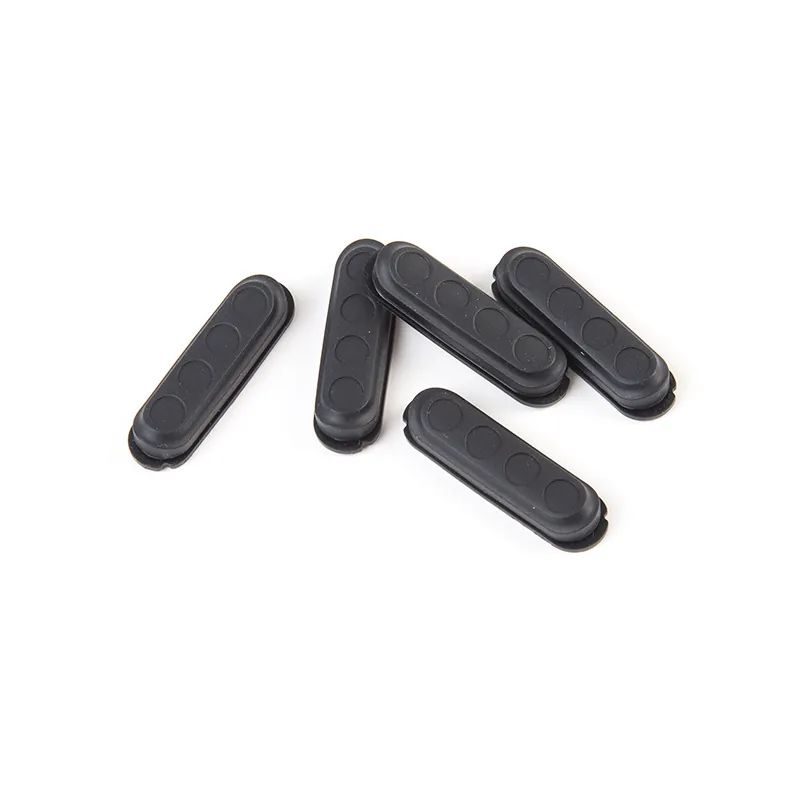
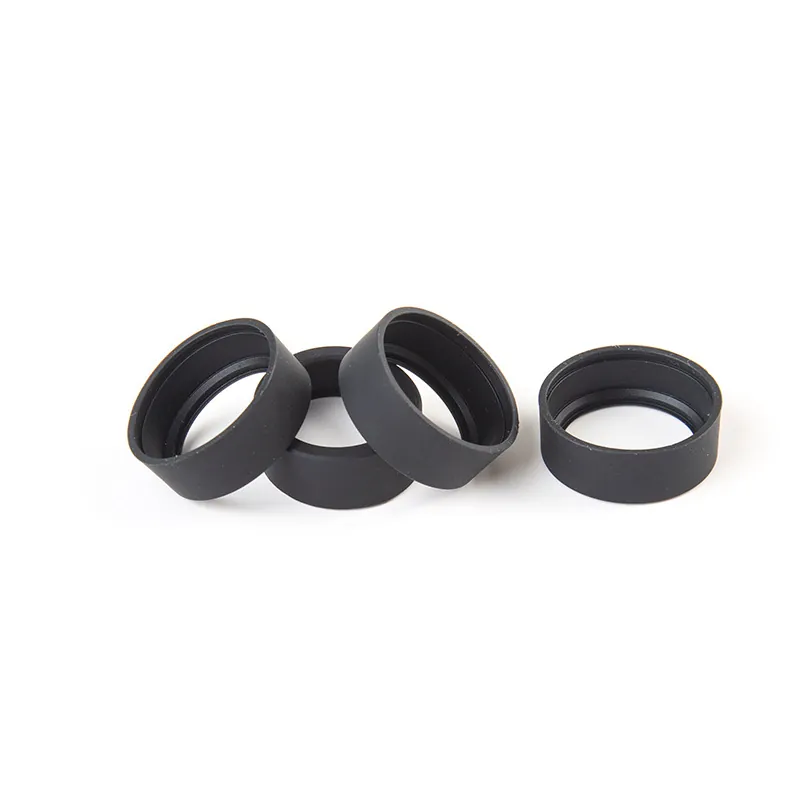
| Protective sleeves and boots | Sealing and protection for connectors, cables and sensors |
| Feet, grips and pads | Stability, grip and surface protection |
Sealing an Electronic Enclosure
- Sealing faces must be free of flash lines crossing the seal path
- Corner geometry is where leaks start — it must be designed, not implied by the panel shape
- Fastener pass-throughs need their own sealing treatment
- Compression band and gasket hardness together determine the assembly force required
- The compound must resist the cleaning agents the device will actually see
Actuation Life and Tactile Response
For keypads, the two performance measures that matter are actuation force consistency and tactile response stability over life. Both are set by web geometry and compound selection. Silicone is preferred over other elastomers in this application because its mechanical properties change far less with temperature — a keypad that feels right in a laboratory at 20 C will still feel right at -10 C or +50 C if it is silicone.
Volume, Tooling and NPI
Electronic products move fast, and the tooling decision has to support that. Where a programme is still evolving, we discuss whether a prototype tool or a production tool is the right first investment, and we flag which later design changes would require tooling modification. Changing tooling mid-programme is avoidable more often than it is avoided.
How These Components Are Made
- Drawing review with manufacturability and tolerance feedback before quoting
- Compound selection against temperature, chemistry and compression set
- Tooling design and manufacture in-house, including shrinkage compensation
- First-article samples shipped with inspection data for your testing
- Process parameters locked after approval, with in-process checks in production
- Dimensional, hardness and visual inspection records issued with shipment
Case Studies
Frequently Asked Questions
Silicone holds its mechanical properties across a much wider temperature range, ages better, and is more resistant to UV and ozone. TPE is cheaper but its feel changes with temperature and it degrades faster in outdoor use.
Yes, and it is usually the better design: the perimeter seal is moulded into the same part rather than added as a separate gasket. It removes an assembly step and a leak path.
Give us the switching target, the PCB pad finish and the actuation force. We will confirm what is achievable rather than quoting an optimistic figure.
Contact resistance drift or web fatigue. Both are design issues — geometry and compound — and both are solvable.
Yes, and for new designs we will advise whether a prototype tool is worth the investment before committing to production tooling.
Yes. Selective, uniform and edge-lit approaches are available using translucent silicone paths. Send the LED layout and we will propose an approach.
Related Pages
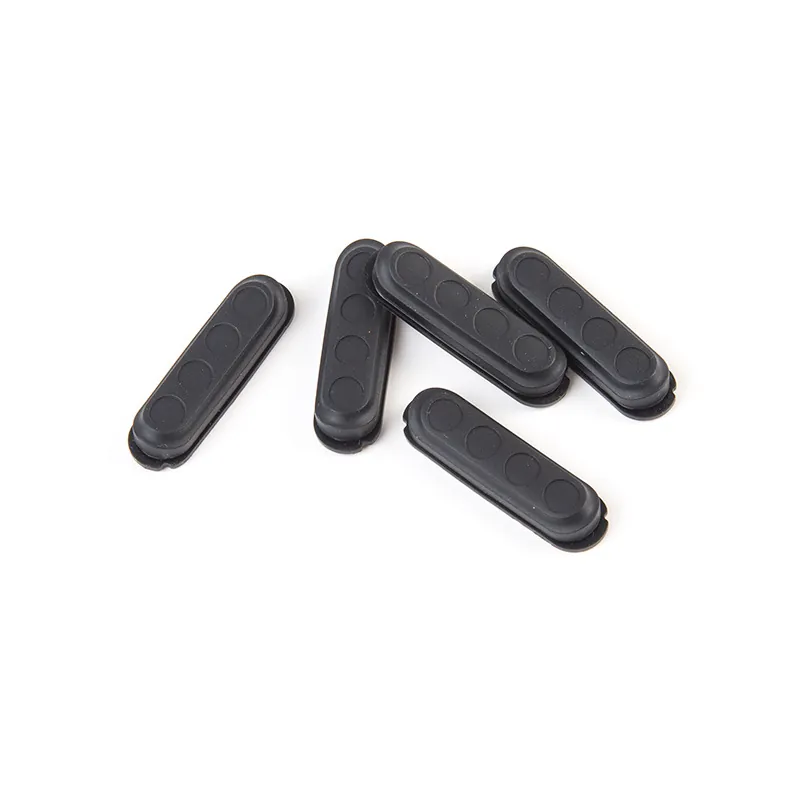
Silicone Keypads
Tactile keypads with graphics, backlighting and sealing.
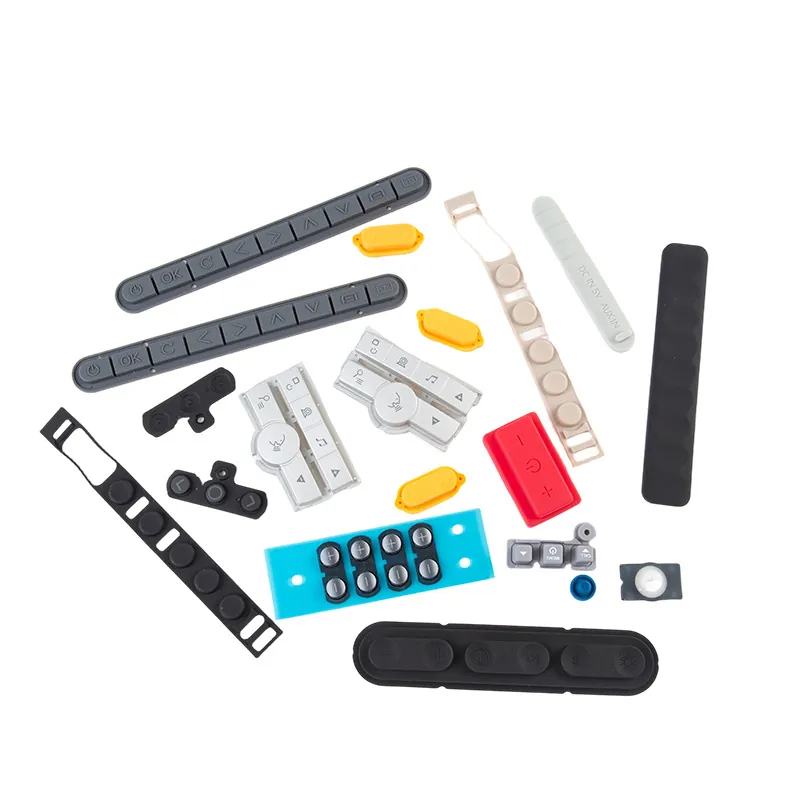
Conductive Silicone Keypads
Carbon-pill and conductive-ink keypads for PCB switching.
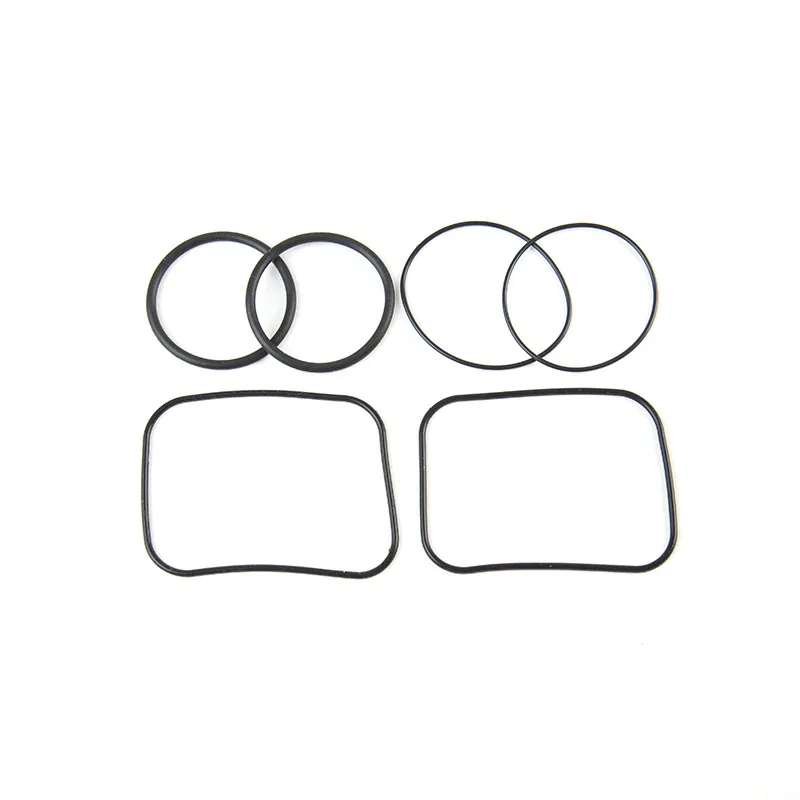
Silicone Gaskets
Enclosure, panel and sensor gaskets for IP sealing.
Consumer Electronics
Interface, grip and protective silicone parts — page in preparation.