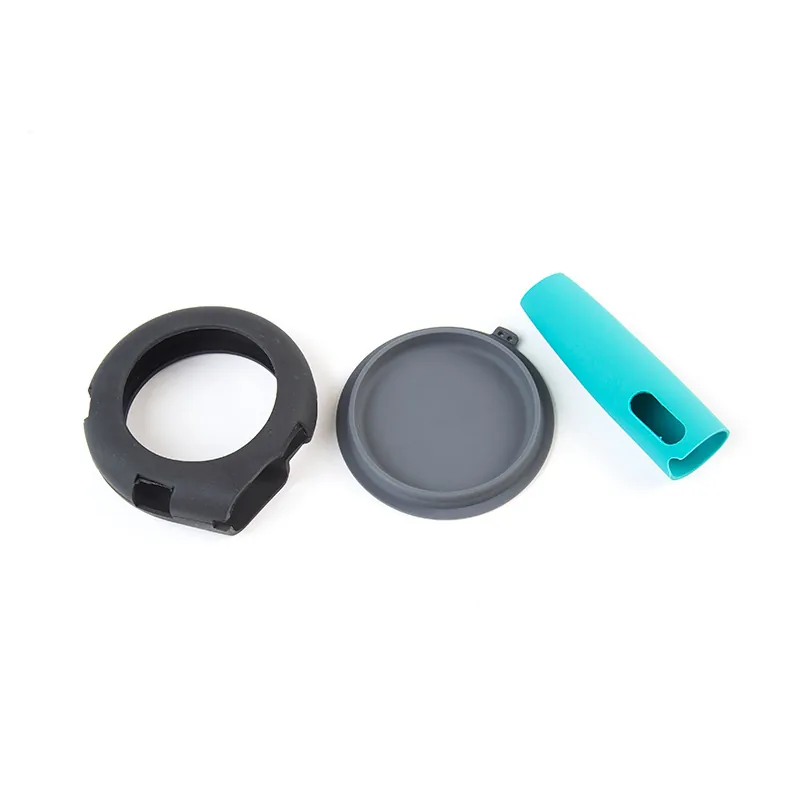
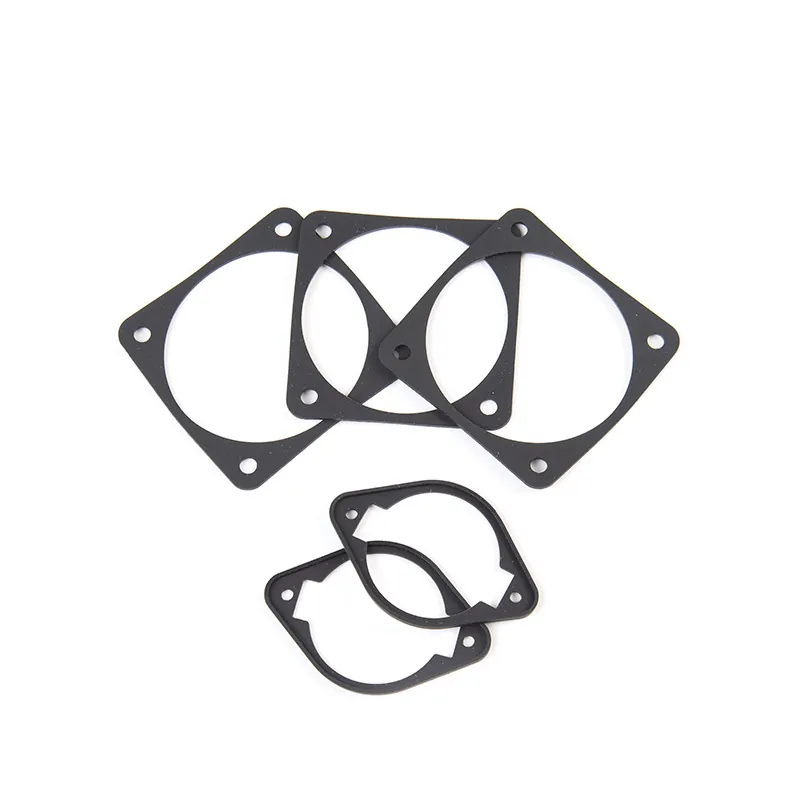
Examples of silicone components produced by this process
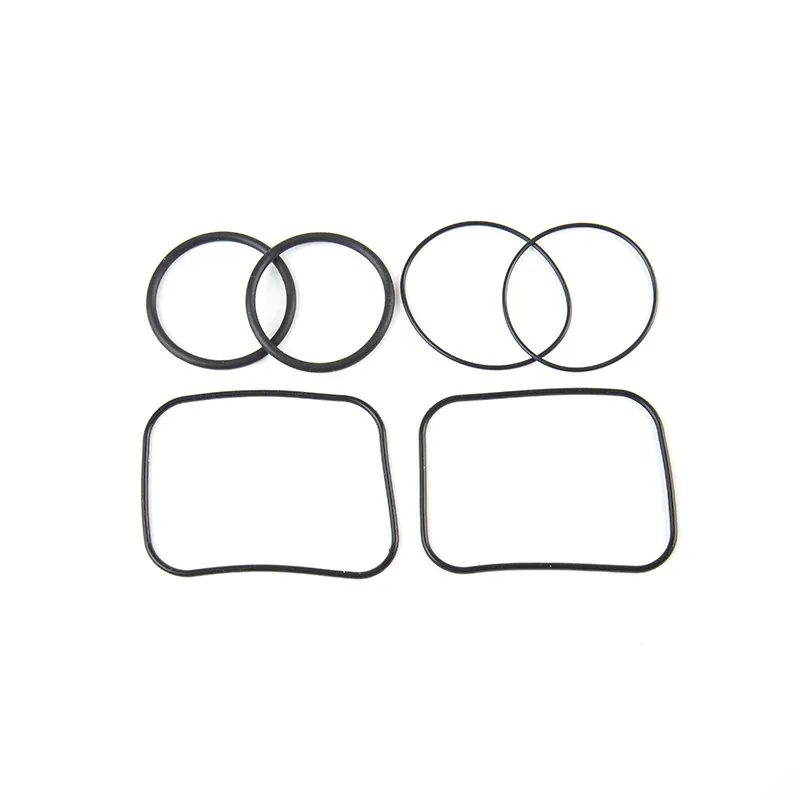
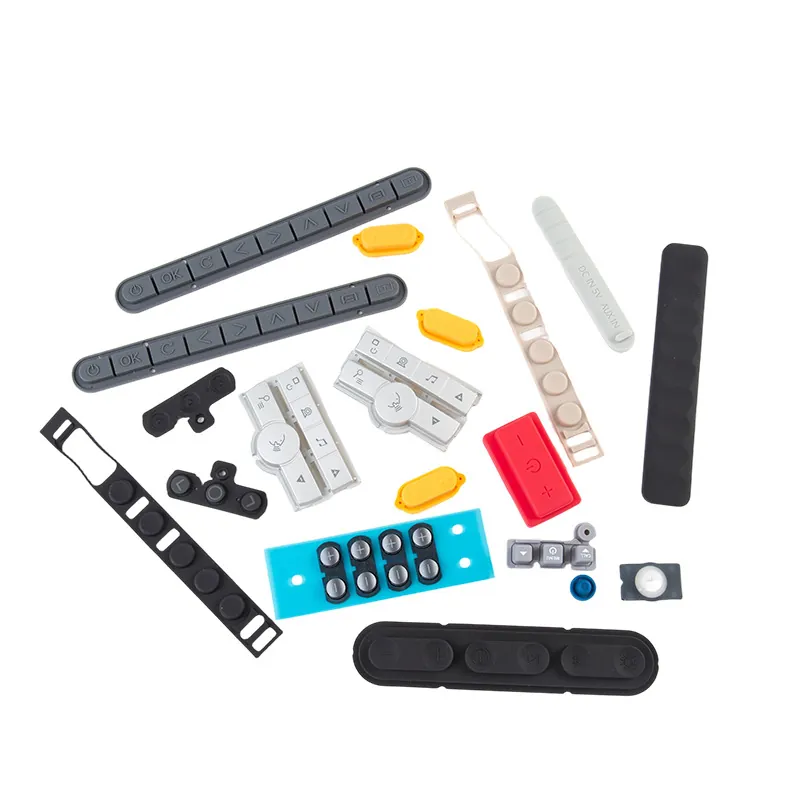
Overview
Silicone moulding is our core process. We produce solid silicone parts by compression moulding and by liquid silicone rubber (LSR) injection, and we choose between them on the basis of your geometry, tolerance, volume and fatigue requirement rather than on what is convenient for us. Compression moulding is the more economical route for medium hardness parts with thicker sections and low-to-mid volumes. LSR is the right answer for thin walls, high precision, optically clear parts and applications where fatigue life dominates.
The Problem This Solves
Silicone behaves differently from rubber and from plastic, and designs that ignore this end up costing money. Silicone has high thermal expansion, so shrinkage compensation matters. It is difficult to bond without proper surface preparation. It tears easily at thin, sharp corners. And it picks up contamination — a silicone part produced in a tool that previously ran a different compound can fail for reasons that have nothing to do with its own design. Our process control exists to manage exactly these effects.
Compression Moulding vs LSR
| Consideration | Compression moulding | LSR |
|---|---|---|
| Typical geometry | Thicker sections, medium-to-high hardness, simpler shapes | Thin walls, fine detail, complex geometry |
| Tolerance capability | Good; sufficient for most industrial sealing | Better; preferred where precision dominates |
| Volume economics | Best from prototype to mid volume | More economical at higher volume |
| Fatigue life | Good with the right compound | Excellent; preferred for continuous flexing |
| Optical clarity | Limited | High-clarity grades available |
| Tooling cost | Lower | Higher, justified by precision and volume |
Silicone Compounds We Run
- General purpose HTV silicone for sealing, protection and insulation
- High-temperature grades for sustained service above 150 C
- Low-temperature grades that stay flexible well below freezing
- Translucent and optically clear grades for light guides and windows
- Food-contact and skin-contact grades where applicable
- Low-compression-set grades for static sealing that must hold load
- Low-friction grades for dynamic sealing
Process Control
- Drawing review with manufacturability and tolerance feedback before quoting
- Compound selection against temperature, chemistry and compression set
- Tooling design and manufacture in-house, including shrinkage compensation
- First-article samples shipped with inspection data for your testing
- Process parameters locked after approval; production with in-process checks
- Dimensional, hardness and visual inspection records issued with shipment
Where We Say No
There are silicone projects we decline. If a drawing calls for a tolerance that cannot be held in moulded elastomer, we say so rather than quoting and failing later. If a required certification is one we do not hold, we say so before you commit. If the part would be better made in rubber or in plastic, we will tell you that as well — it is a shorter conversation than a failed programme.
Frequently Asked Questions
It depends on geometry, tolerance and volume. Thicker sections and mid volumes favour compression moulding. Thin walls, tight tolerances, high clarity and very long fatigue life favour LSR. Send the drawing and we will recommend one and explain why.
20-80 Shore A. Softer compounds seal at lower compression; harder compounds resist extrusion and take more load.
Shrinkage is compound-specific and is compensated in the mould design. This is one reason changing compound after tooling can require tooling modification, and we flag it before you commit.
Yes, in LSR. Clarity depends on wall thickness, so we discuss the light path before quoting.
Yes, with the correct surface preparation and bonding system. This is specified during drawing review because it affects both the part design and the tool.
Yes where the design risk justifies it, and always as first-article samples for approval before mass production.