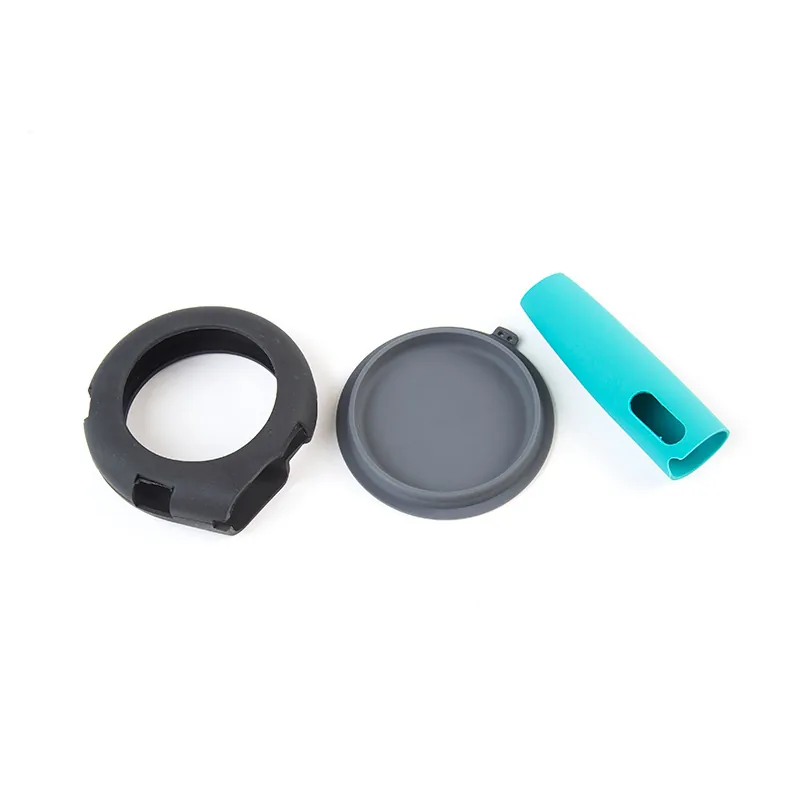
Components produced from tools designed and built in-house
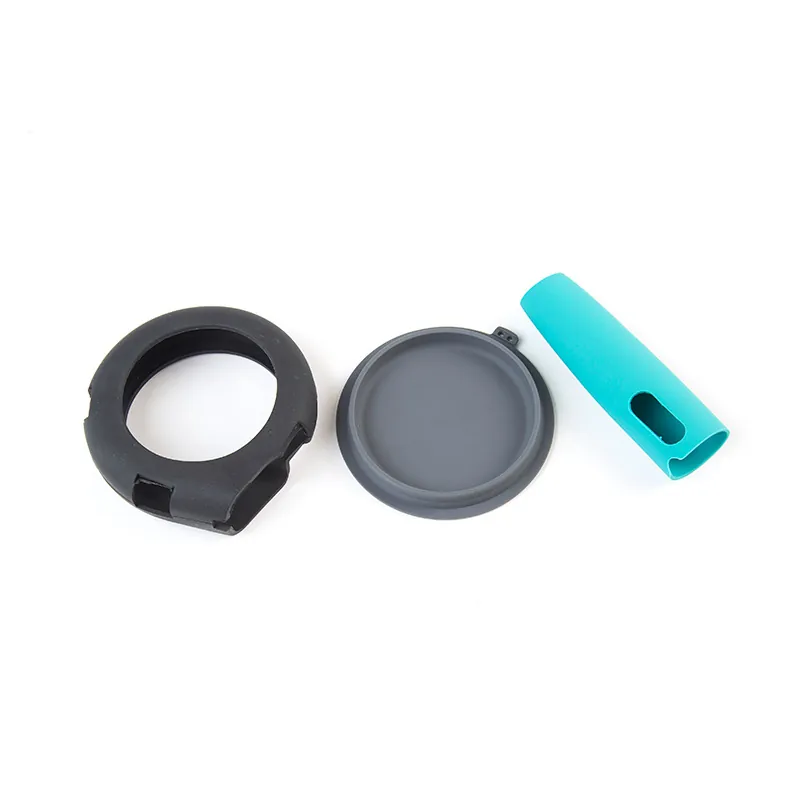
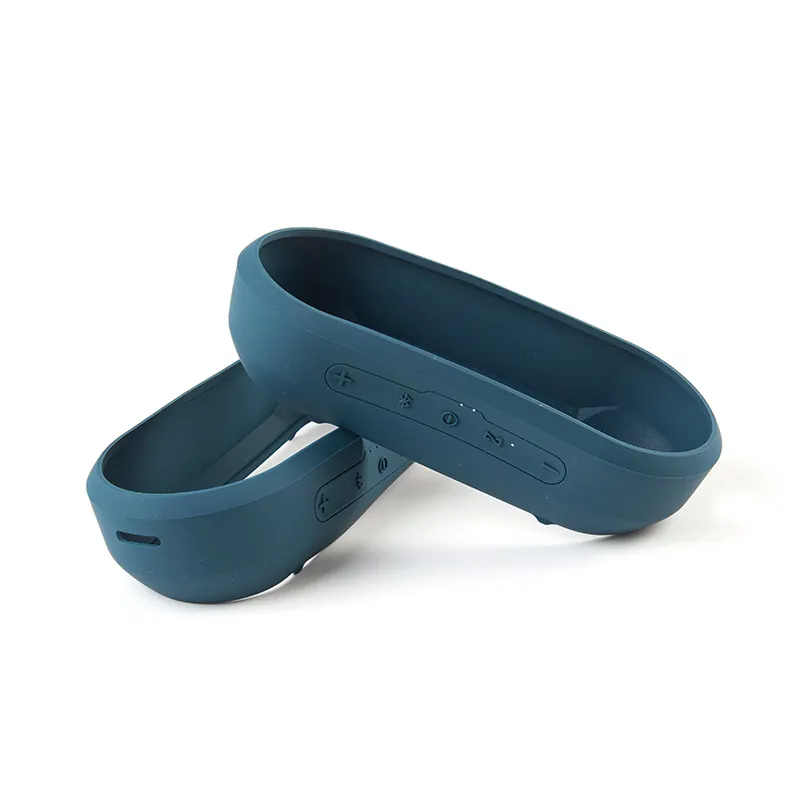
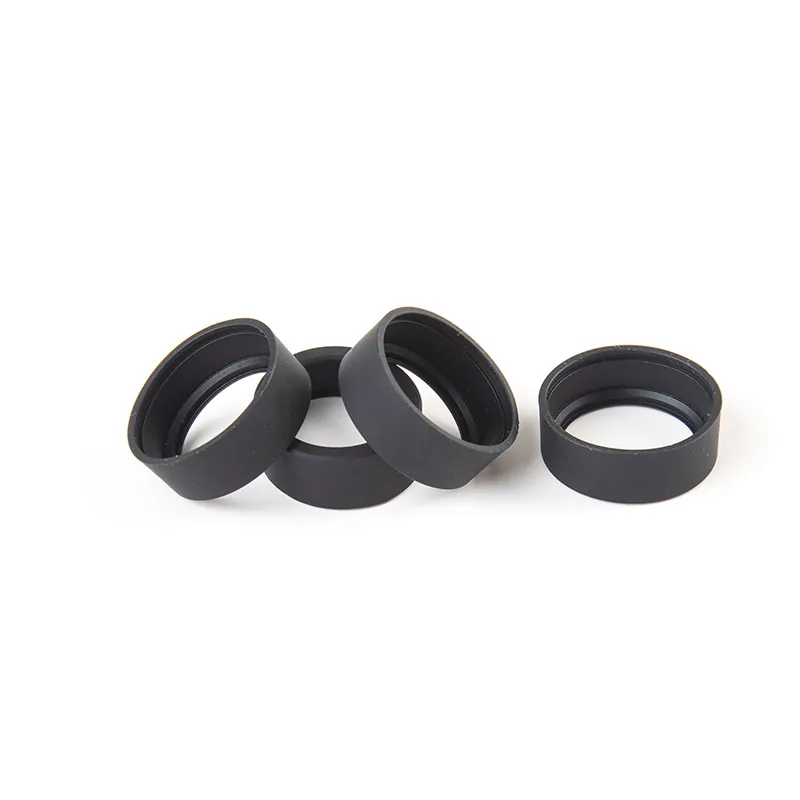
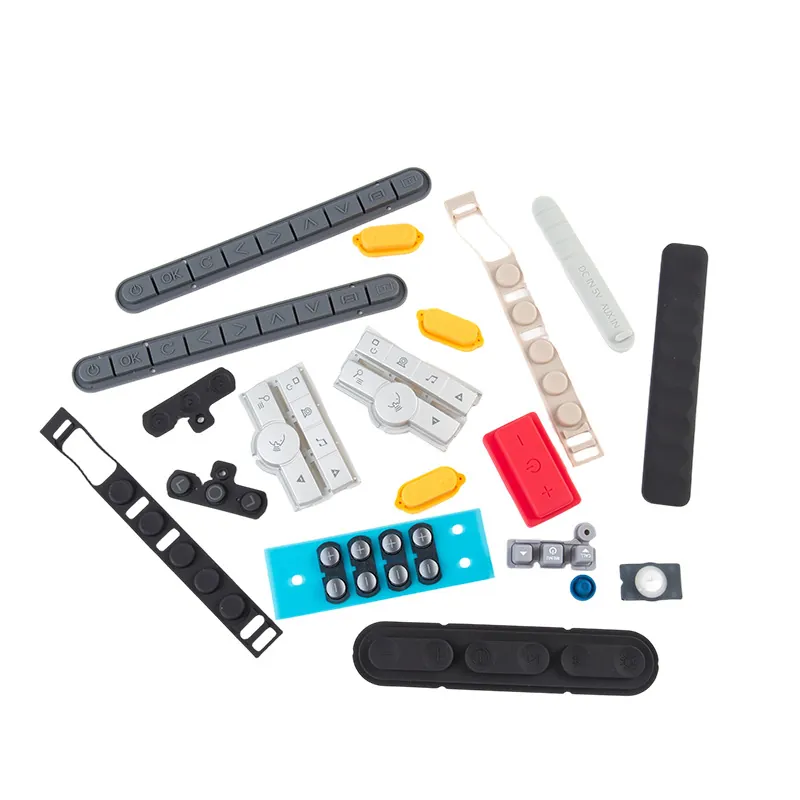
Overview
Tooling is where a component programme is won or lost. The mould design fixes the sealing face geometry, the flash line position, the shrinkage compensation, the draft angles and the tolerances the part can actually hold. Because we design tooling in-house, we can adjust the design around your requirements rather than around a toolmaker's standard practice — and because we are not passing through a third party's margin, we can refund the tooling cost against volume production.
The Problem This Solves
The commercial problem with tooling is that the customer pays for it before knowing whether the design works. That asymmetry is bad for both sides: the customer carries all the risk, and the supplier has no incentive to challenge a design that is easy to quote. Our model addresses it directly — prototype first where risk is high, refund the tooling cost against volume, and state the refund threshold in the quotation rather than leaving it vague.
What the Mould Design Decides
| Design decision | Consequence |
|---|---|
| Gland and sealing-face geometry | Whether the part seals at the intended compression |
| Flash line position | Whether a seam crosses the sealing face or lands on a cosmetic surface |
| Shrinkage compensation | Whether dimensions land in tolerance for the chosen compound |
| Draft angles | Demoulding difficulty, mould wear and part cost |
| Split line and undercut handling | Tool complexity and where marks appear on the part |
| Gate and vent placement | Fill quality, trapped air and knit-line strength |
The Tooling Process
- Drawing review and manufacturability comments — before any tooling commitment
- Mould design proposal, including where the flash line and split line will fall
- Tooling quotation with the part price stated by volume band
- Mould manufacture in-house
- First-article samples with inspection data for your fit and function testing
- Design adjustments if the sample review requires them
- Production, with the tool maintained under our control
Tooling Cost and Refund Model
- Tooling cost refundable against volume production orders.
- The refund threshold is stated explicitly in your quotation — not left to interpretation.
- Tooling cost and part cost are quoted separately so you can see what you are buying.
- Where design risk is high, we will recommend a prototype stage before committing to the full production tool.
- The tool remains under our control and is maintained by us, which is what makes repeat production consistent.
Frequently Asked Questions
It depends on part size, geometry, the number of cavities and the process. It is quoted per project and stated separately from the part price.
The tooling cost is credited back against production once your cumulative volume passes the threshold stated in your quotation. The exact terms are written into the quote, not implied.
We maintain the tool and it is not shared with other customers. Where a customer requires tooling transfer, we agree the terms in writing before the project begins.
Often yes, where the change is within the tool's structure. Send photographs and dimensions of the current part and we will confirm whether modification or a new tool is the better answer.
It depends on mould complexity and current capacity, and it is quoted per project with a dated commitment rather than an open-ended estimate.
Design adjustments are made and re-sampled before production. This is exactly the stage the tooling process exists to protect, which is why first-article approval is a required step.