Four programmes written from the component and the duty it has to survive: what the part does, which material family was used, how it was moulded, and what we cannot state because the customer has not released the data.
Four production programmes we have supplied. Each is written from the component and the duty it has to survive rather than from a sales brief. Customer identities are withheld, and where a customer has not released test data we say so rather than publishing a number.
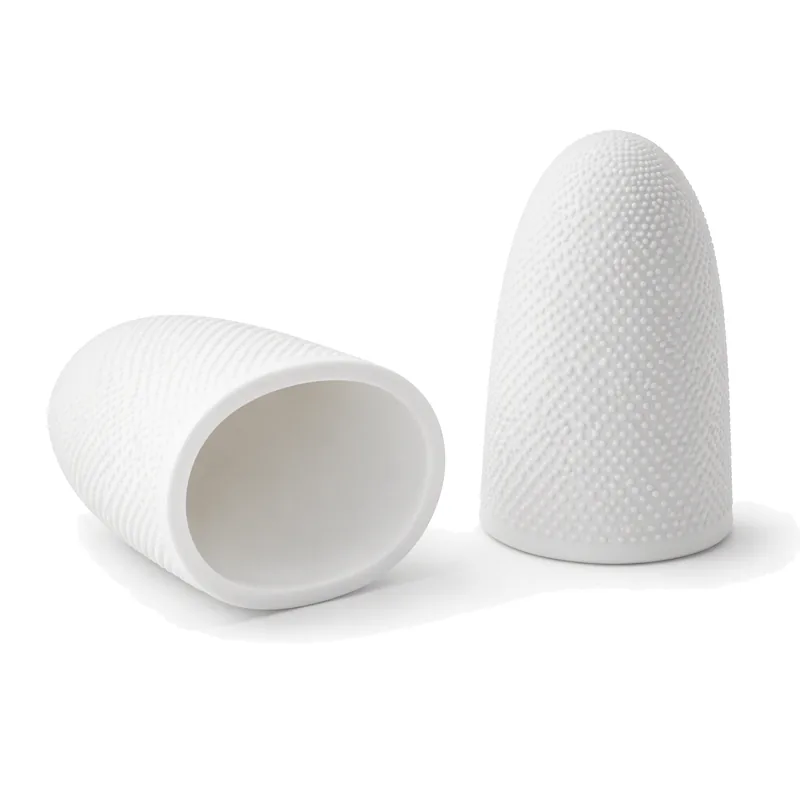
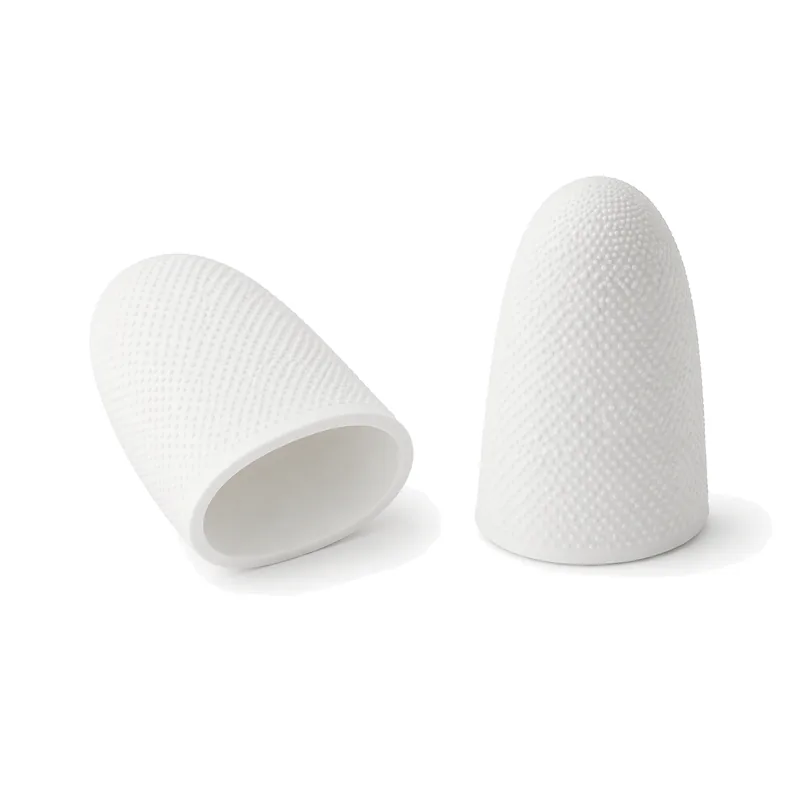
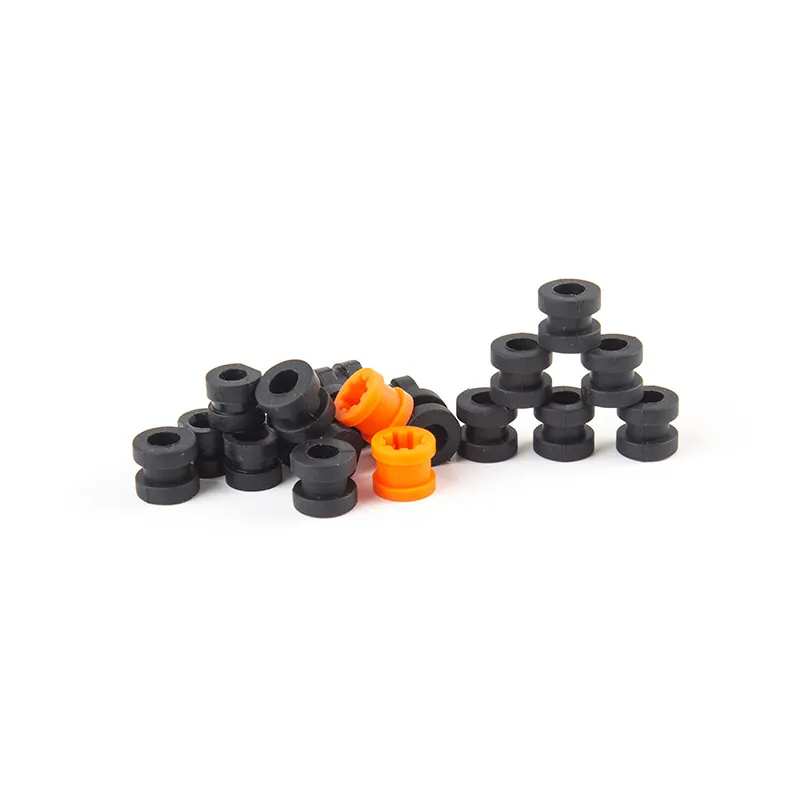
Everything below is limited to what we can evidence: the component, the material family, the process we ran and the duty the part was designed for. Where a customer has not released performance or life-cycle data, no figure appears here. The images show the component family, not a specific customer part: the robotics images are shape-altered at the customer's request and are not the production geometry.
Silicone Components for a Humanoid Robot Finger
Field
Detail
Sector
Robotics OEM (customer name withheld)
Component
Finger contact and sealing components for a humanoid robot hand
Where it sits
On an articulated finger, as the contact surface and the sealing element around it. The part is loaded every time the hand closes.
Duty it must survive
Wear under repeated contact and articulation, while holding consistent tactile behaviour.
Material
Silicone compound, moulded to the customer drawing.
Process
Compression moulding with in-house tooling. First-article samples for fit and function before production, then locked process parameters with dimensional and hardness records with each shipment.
Performance data
NOT PUBLISHED. The robotics customer has not released test or life-cycle data for this component, so no figures are stated.
Related
Robotics industry page and the custom silicone parts family.
Gripper Protective Sleeves for Robot Fingers
Field
Detail
Sector
Robotics OEM (customer name withheld)
Component
Protective sleeves that fit over the robot fingers of a gripper
Where it sits
Over the finger, as the part that physically touches whatever the robot picks up. It is the first thing to wear, and it protects the finger assembly underneath it.
Two applications supplied
(1) Grippers that handle and fold household laundry. (2) Grippers that pick and sort parcels on a sorting line. The compound is matched to the surface being handled - soft textile against abrasive parcel board and tape.
Duty it must survive
Wear at the contact face under continuous picking, with grip that stays consistent as the sleeve wears.
Material
Silicone, moulded to the customer drawing.
Process
Compression moulding with in-house tooling. First-article samples for fit and function before production, then locked process parameters with dimensional and hardness records with each shipment.
Performance data
NOT PUBLISHED. The robotics customer has not released wear-test or life-cycle data for this component.
Related
Protective sleeves, and the robotics industry page.
Vibration Damping Silicone Components for Robotic Equipment
Field
Detail
Sector
Robotics OEM (customer name withheld)
Component
Silicone damping and isolation components
Where it sits
Between a moving assembly and its mounting point, to reduce the vibration transmitted into the structure.
Duty it must survive
Damping behaviour across the service temperature, with stable compression set under repeated cycling.
Material
Silicone damper compound. Hardness is chosen against the mass and the frequency of the assembly, not from a standard range.
Process
Compression moulding to drawing, in-house tooling, first-article samples, locked process parameters, inspection records with each shipment.
Performance data
NOT PUBLISHED. No customer-released test data.
Related
Silicone vibration dampers, and the robotics industry page.
Silicone Keypad for a Professional Two-Way Radio
Field
Detail
Sector
Professional communications equipment
Component
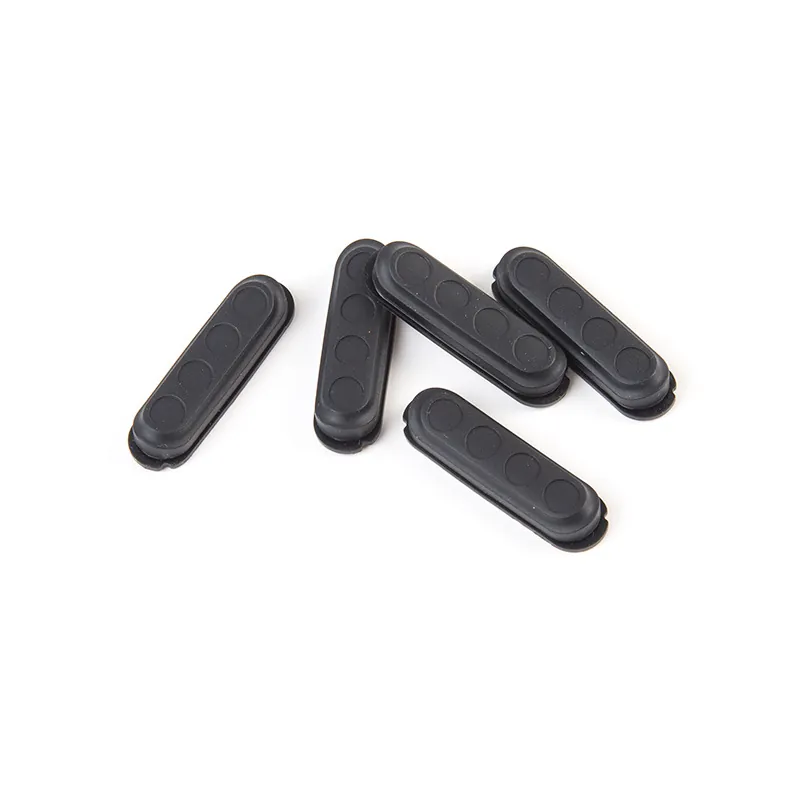
Custom silicone keypad
Where it sits
The user interface of a handheld two-way radio, actuated repeatedly in the field.
Duty it must survive
Wear on the actuation surface and the legends, with tactile response held consistent over repeated actuation.
Material
Silicone, moulded to the customer drawing.
Process
Compression moulding with in-house tooling, first-article samples, locked process parameters, dimensional and hardness inspection records.
Performance data
NOT PUBLISHED. No customer-released test data.
Related
Custom silicone keypads and conductive silicone keypads.
What These Write-Ups Deliberately Do Not Claim
No customer name, logo or endorsement. Customers are described by sector only.
No performance figure, cycle count, life-cycle result or ingress rating that the customer has not released.
No claim of a certification, qualification programme or approval that we cannot evidence.
No invented failure mechanism: where the customer has not shared the field data, the write-up describes the duty the part was designed for, not a diagnosed root cause.
Three of the four programmes above are robotic, and the sealing duty in each is described against the failure mechanisms that actually occur on a moving joint in robotic joint seals. All four were produced as bespoke rubber parts on tooling we designed and built in-house.
Describe the component and what it has to survive - wear, vibration, actuation cycles, temperature, cleaning. We will tell you which compound family we would start from and what the project would involve.
Analytics cookies. We use them only to understand how visitors use this site so we can improve it — no advertising, no selling of data. Declining changes nothing about how the site works.