Components illustrating hardness and sealing behaviour
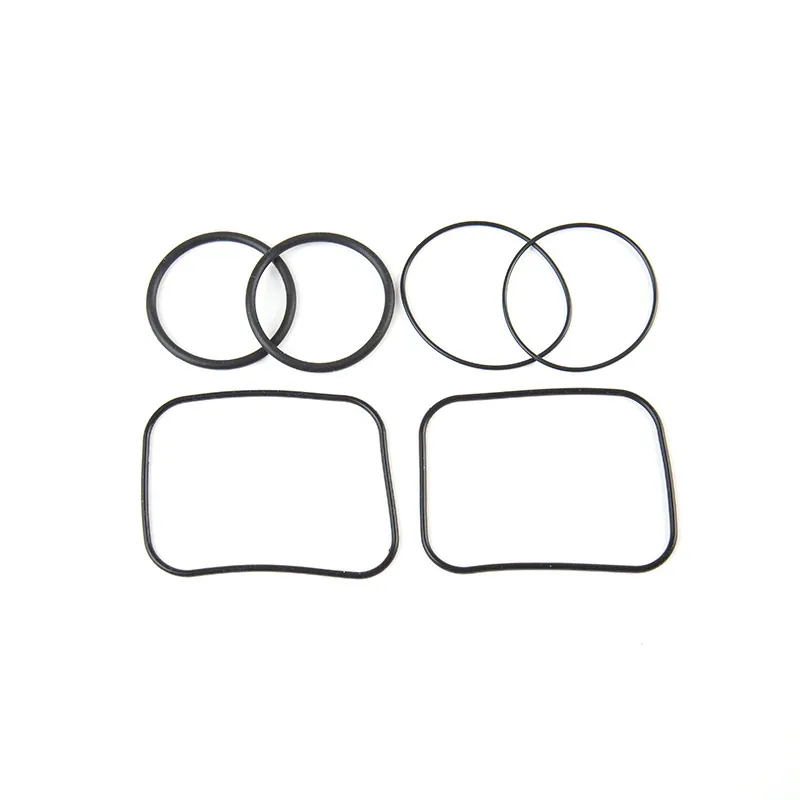
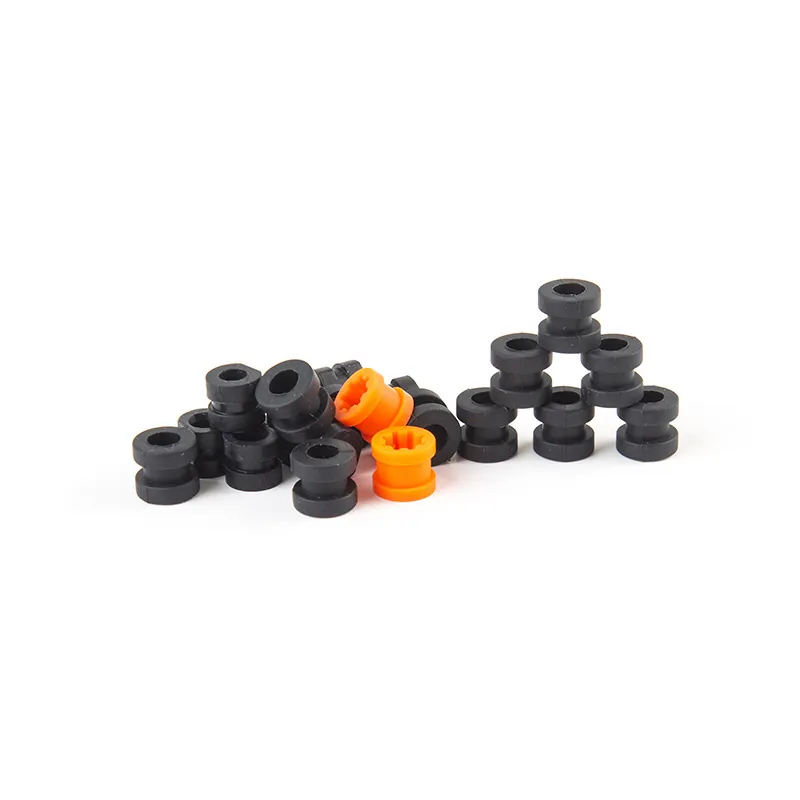
Hardness is the first property most engineers ask about and the one most often specified for the wrong reason. It is a single number that describes resistance to indentation, but what decides whether a part works is how that number interacts with compression, geometry and the load the assembly puts on it.
What Shore A Actually Measures
Shore A is a measure of resistance to indentation under a defined spring-loaded indenter. Two compounds with the same Shore A reading can behave quite differently in service, because hardness says nothing about compression set, tear strength, fatigue life or how the material behaves at temperature. Reading it as a proxy for "how good the silicone is" is the most common mistake we see on drawings.
The Range We Work In
Our working hardness range is 20 to 80 Shore A. Below roughly 20 Shore A the material becomes very soft and difficult to handle and demould consistently; above roughly 80 Shore A the compound approaches the stiffness of a hard rubber and loses much of the compliant sealing behaviour that makes silicone useful in the first place. If a design calls for a hardness outside that window, the honest answer is usually that the design, not the material, needs to change.
How Hardness Changes the Way a Part Works
| Softer (lower Shore A) | Harder (higher Shore A) |
|---|---|
| Conforms to a rough or uneven mating surface more easily | Needs a smoother mating surface to seal reliably |
| Seals at lower compression load - useful where the assembly is weak | Requires more load to reach the same sealing pressure |
| More forgiving of dimensional variation in the housing | Less forgiving; the housing tolerance matters more |
| Better for damping and for taking up gaps | Better for load bearing and for resisting extrusion |
| Harder to handle and demould at the soft end | Easier to demould; holds its form better in assembly |
Hardness and Compression Set Are Not the Same Thing
A seal fails most often not because it was the wrong hardness but because the compound took a permanent set and stopped pushing back. Compression set is a property of the compound and its cure, and it has to be selected for separately. A low-compression-set grade at 50 Shore A will hold a seal far longer than a general-purpose grade at the same reading. Where a joint must stay sealed for a long time under load, ask about compression set rather than about hardness.
Choosing a Hardness for an Application
- Start from the load the assembly can apply. Thin plastic housings and small enclosures cannot generate much sealing force - that points softer.
- Look at the mating surface. A machined face and a moulded face behave differently; the rougher the surface, the more compliance you need.
- Check the gap the part must bridge. A wide or variable gap needs soft material and a geometry that keeps it located.
- Consider extrusion and pressure. Where the part is pushed into a gap under load, a harder compound resists extrusion better.
- Then consider temperature, because a compound that is comfortable at room temperature stiffens as it cools and softens as it heats.
What We Need in Order to Recommend One
We do not recommend a hardness from a hardness question alone. What we need is the mating surfaces, the gap the part sits in, the load available to compress it, the operating temperature range and what the part is sealing against. Given those, the hardness usually stops being a matter of opinion.
Frequently Asked Questions
Our working range is 20 to 80 Shore A. Outside that window the compound is either too soft to handle and demould consistently, or too stiff to behave like an elastomer.
No. Harder compounds resist extrusion better but need more load to seal, and they conform less readily to a rough or uneven mating surface. The right value comes from the load available and the surface being sealed against.
Yes. Send the part or a sample and it is measured, then matched against the compound range. A physical sample is far more reliable than a verbal description.
Not on its own. Compression set and the compound cure have more influence on whether a seal keeps pushing back over time. Those are selected separately from hardness.
Because the number on its own does not determine whether the part works. Mating surfaces, gap, available load and temperature decide it, and those are not visible from a hardness figure.
Related Pages
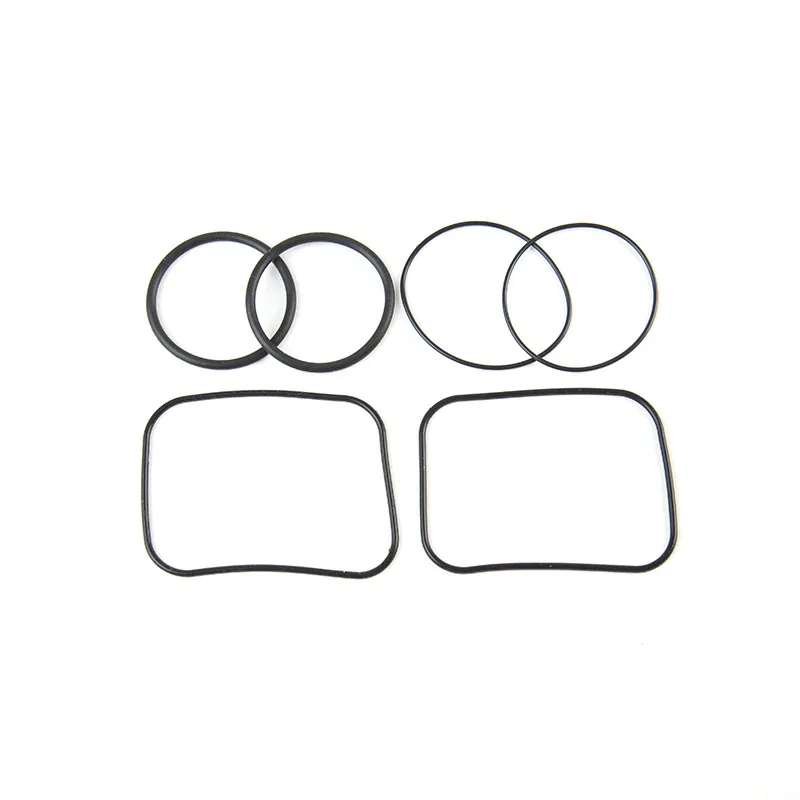
Custom Silicone Gaskets
Gaskets and seals moulded to your drawing, in the compound and hardness your sealing condition needs.
Silicone Components for Robotics
Sealing, damping and protection components for robot joints and end effectors.
Silicone Material Selection
How compound choice follows temperature first and the contact fluid second.
Send Your Drawing
Send the drawing or a sample and an engineer will come back on material, hardness, tolerance and tooling.