Components in different compounds and hardnesses
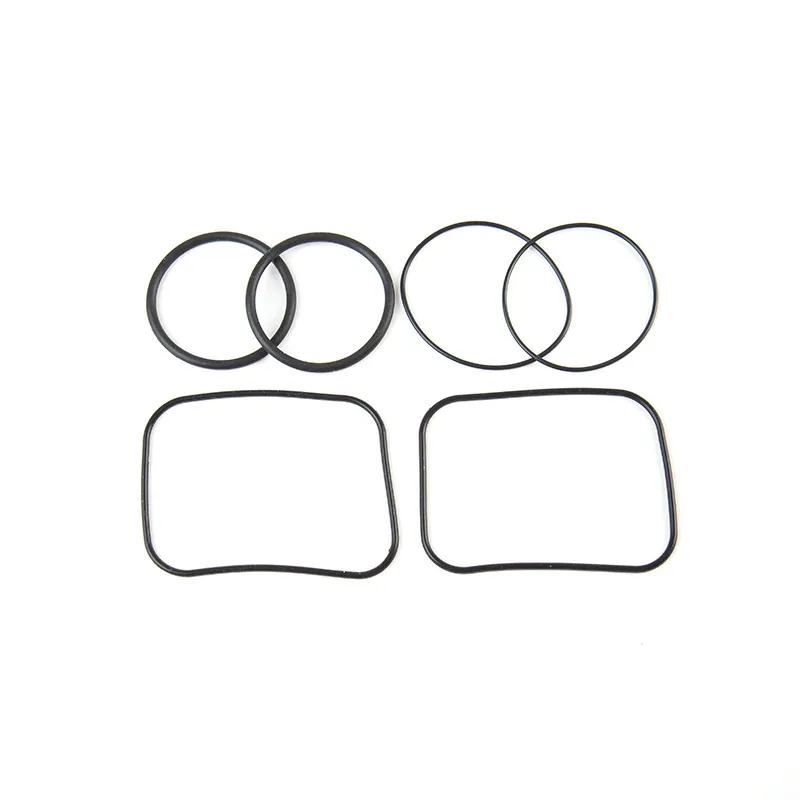
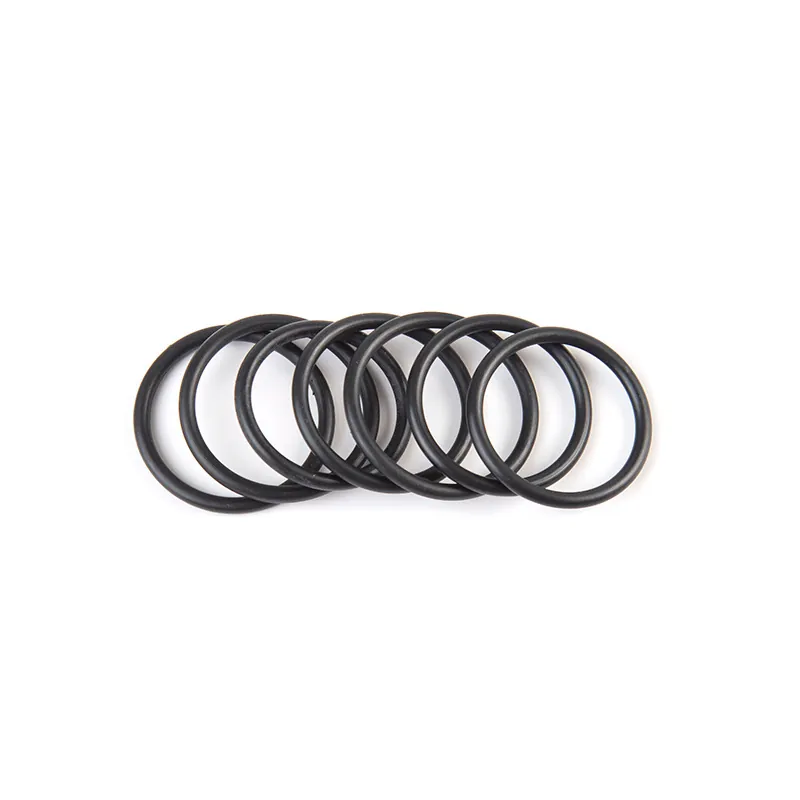
Material questions usually arrive as "which is best". There is no best - there is a material that suits a temperature, a fluid and a duty. This guide sets out the order we work in, so the answer follows your conditions rather than a preference.
The Order We Work In
- Temperature first - it eliminates more candidates than anything else
- Then the contact fluid or medium, which eliminates most of what remains
- Then hardness, set by the load available and the geometry
- Then the non-negotiables: colour, documentation, and any certification your market requires
Temperature Comes First
Our published working temperature range is -60 C to +230 C. Above roughly 150 C of sustained service, silicone or FKM is the starting point, because most general-purpose elastomers degrade outside that window. Toward the cold end, silicone keeps its flexibility where several other materials become stiff and prone to cracking. Temperature is asked about first because it removes candidates cleanly, without argument.
What We Can Supply
Compounds quoted are silicone (both HTV and LSR grades), EPDM, NBR, FKM (Viton), natural rubber, SBR and CR. One point matters commercially and is worth stating plainly: the elastomer compounds are supplied by raw-material manufacturers. We mould purchased compound. We do not compound rubber, produce silicone base polymer or manufacture raw material, and any claim to the contrary would be false.
Matching Material to the Medium
| Exposure | Starting point |
|---|---|
| Sustained service above 150 C | Silicone or FKM |
| Water, steam and weathering | EPDM or silicone |
| Hydrocarbon oils and fuels | NBR or FKM |
| Wide temperature swing with flexibility needed at the cold end | Silicone |
| Food contact requirements | A grade supported by the relevant standard - confirmed at RFQ stage |
Colour, Documentation and Certification
- Colour is matched against a physical sample and verified on a moulded part, not on a colour chip alone
- Material sheets and batch records are available; where a specific third-party certification is required, availability is confirmed at RFQ stage
- The silicone compound we mould carries third-party SGS reports covering EU RoHS (EU) 2015/863, REACH SVHC, phthalates to EN 14372, PAHs to AfPS GS 2019:01 PAK, halogen to EN 14582, US FDA 21 CFR 177.2600, LFGB Section 30 and 31, and GB 4806.16-2025 - all Pass
- Those reports cover the compound, not a finished part. Compliance of a finished part depends on the compound grade, the colour and the process, so a grade is matched to your requirement at RFQ stage
Why We Ask About the Medium Before the Material
Two enquiries with the same temperature and the same geometry can need different materials because one is sealing against water and the other against oil. Asking about the medium first is not a delay - it is the difference between recommending a compound that will work and one that happens to be in stock.
Frequently Asked Questions
There is no single best. Temperature eliminates candidates first, then the contact fluid, then hardness follows the load and geometry. Give us those three and the answer narrows quickly.
They suit different conditions. Silicone holds a wider temperature range and keeps flexibility at the cold end; EPDM is often the economical choice for water, steam and weather exposure. The exposure decides between them.
No. The elastomer compounds are supplied by raw-material manufacturers and we mould purchased compound. We do not compound rubber or produce base polymer, and we do not claim to.
Our published working range is -60 C to +230 C. Above roughly 150 C of sustained service, silicone or FKM is the usual starting point.
The silicone compound we mould is supported by passing third-party reports to US FDA 21 CFR 177.2600, LFGB Section 30 and 31, and GB 4806.16-2025. Those reports cover the compound rather than a finished part, so the grade is matched to your requirement at RFQ stage.
Related Pages
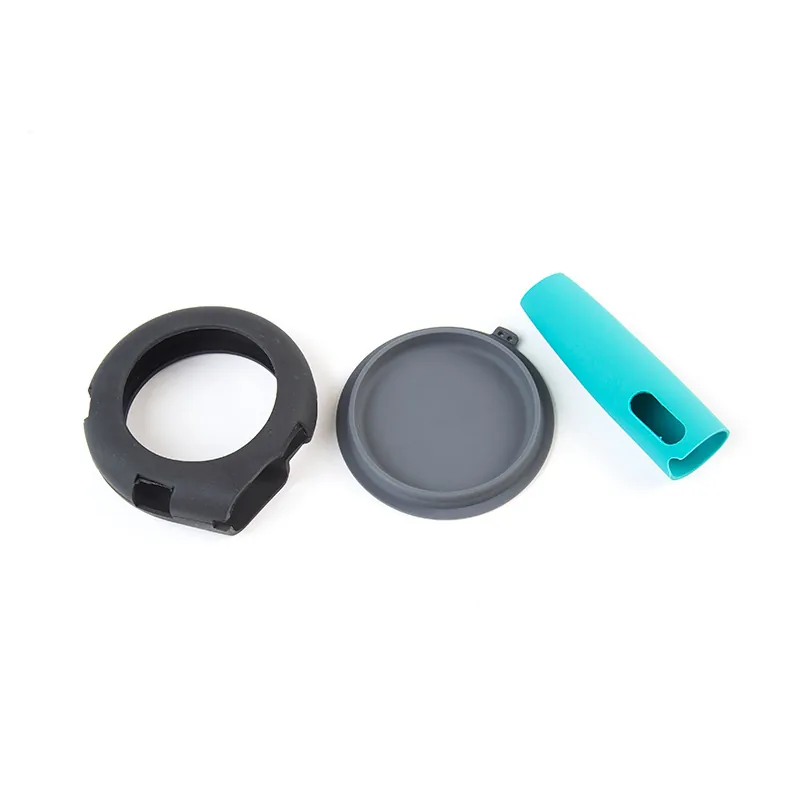
Custom Silicone Parts
Parts moulded to drawing in the compound your operating conditions call for.
Silicone Components for Industrial Automation
Component families and the materials typically specified for automation duty.
Material Compliance and Test Reports
The eleven third-party SGS reports on file, with the report number for each test.
Ask Our Engineer
Tell us the temperature, the medium and the geometry and we will come back on material rather than on preference.