Components produced from custom tooling
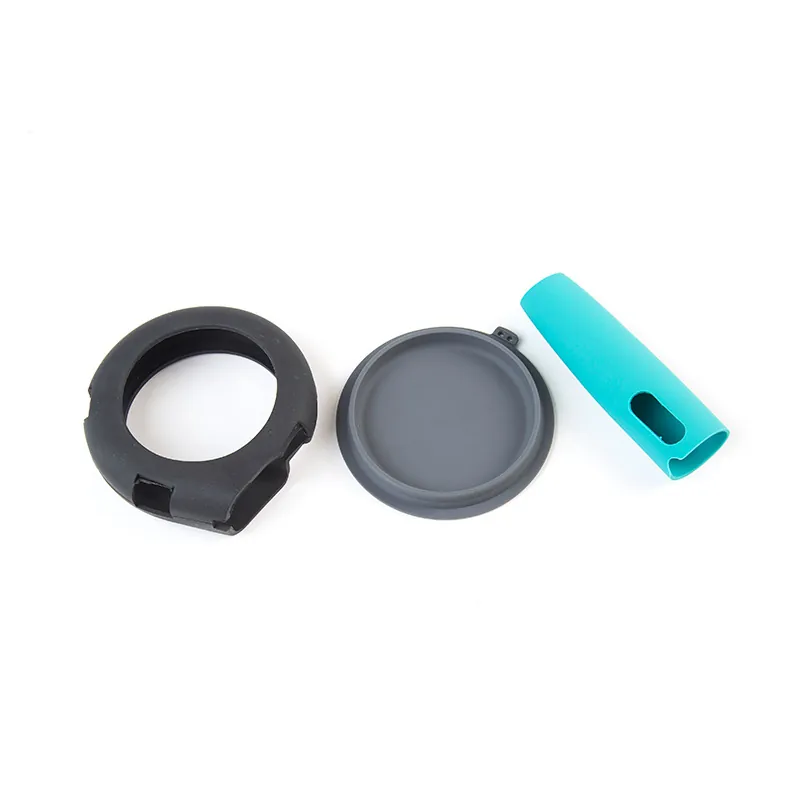
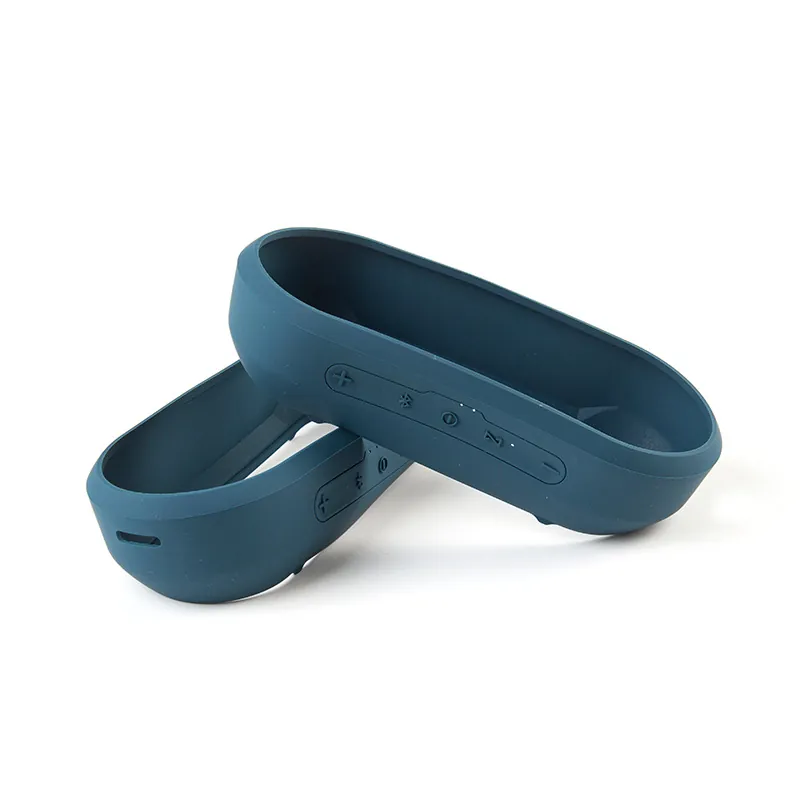
The mould is the part. Long before anything is pressed, the tool has already decided which dimensions can be held, where the flash will appear and how easily the part demoulds. This guide explains the decisions that matter.
What the Mould Design Decides
- Shrinkage compensation - the cavity is cut oversize by the amount the compound is expected to contract, so a wrong allowance shows up as every dimension drifting the same way
- The parting line position, and therefore where flash appears and whether it interferes with a sealing face or a cosmetic surface
- Draft on the vertical walls, without which the part tears or distorts on demoulding
- Cavity count, which sets how many parts come off each cycle and how the tooling cost is spread
- Gate or blank placement, which affects how the compound flows and where knit lines land
- How the part is ejected, which matters most for soft compounds
Cavity Count: The Decision That Sets Unit Economics
A single-cavity tool is the cheapest to make and the slowest to amortise; a many-cavity tool costs more up front and brings the piece price down. The right number follows the volume you actually expect, the size of the part, and how much tooling cost you want to carry before production starts. It is worth being honest about forecast volume here, because a tool built for a volume that never arrives is money that cannot be recovered.
Flash, Parting Lines and Cosmetic Faces
Flash is the thin film of compound that escapes at the parting line. It is trimmed, but trimming leaves a witness line. On a sealing face that is harmless if it sits outside the contact band; on a visible face it may not be acceptable at all. Where cosmetics matter, the answer is usually to move the parting line rather than to ask for tighter trimming - and that decision has to be made at the design stage, not after the first article.
How Tooling Cost Is Handled
Tooling is quoted per project, because it depends on part size, geometry, cavity count and process. There is no fixed price list, and any figure quoted without the drawing would be a guess. Tooling cost is refundable against volume production orders, and first-article samples are supplied before mass production so the tool is proven before you commit to a run.
What We Need to Quote a Tool
- A 3D model where possible, or a 2D drawing with critical dimensions marked
- The compound and hardness, or the operating conditions so we can propose them
- Expected annual volume and the first order quantity
- Which surfaces are cosmetic and which are functional
- Whether the tool will be used for one part number or should allow for variants
Frequently Asked Questions
Tooling is quoted per project, because it depends on part size, geometry, cavity count and process. Any figure given without seeing the drawing would be a guess.
Yes. Tooling cost is refundable against volume production orders.
It follows the volume you expect to run, the size of the part, and how much tooling cost you want to carry up front. Send the forecast and the trade-off can be shown properly.
That is a mould design decision, and it is made with you. On a sealing face the parting line usually sits outside the contact band; on a visible face we would rather move it than promise invisible trimming.
Yes. First-article samples are supplied before mass production so the tool is proven before you commit to a run.
Related Pages
Custom Rubber Parts
Rubber components moulded to drawing, including low-volume and variant programmes.
Silicone Components for Electronics
Sealing, actuation and protection components for electronic assemblies.
Custom Tooling & Mould Design
Our in-house tooling capability and how the mould is built and maintained.
Send Your Drawing
Send the 3D model or 2D drawing and the expected volume, and tooling scope comes back as a separate line.