Components illustrating tolerance and critical dimensions
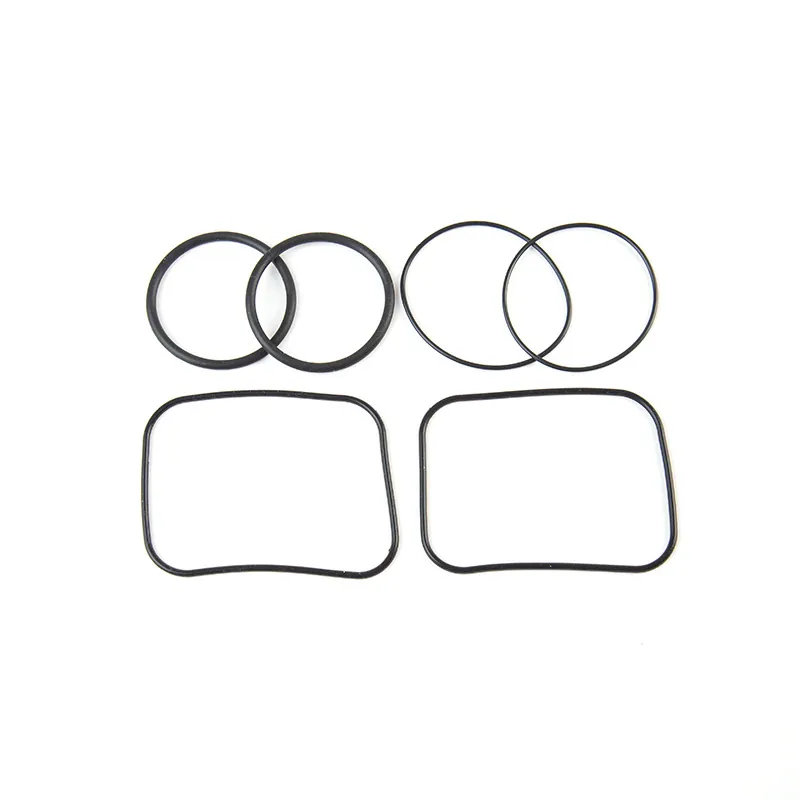
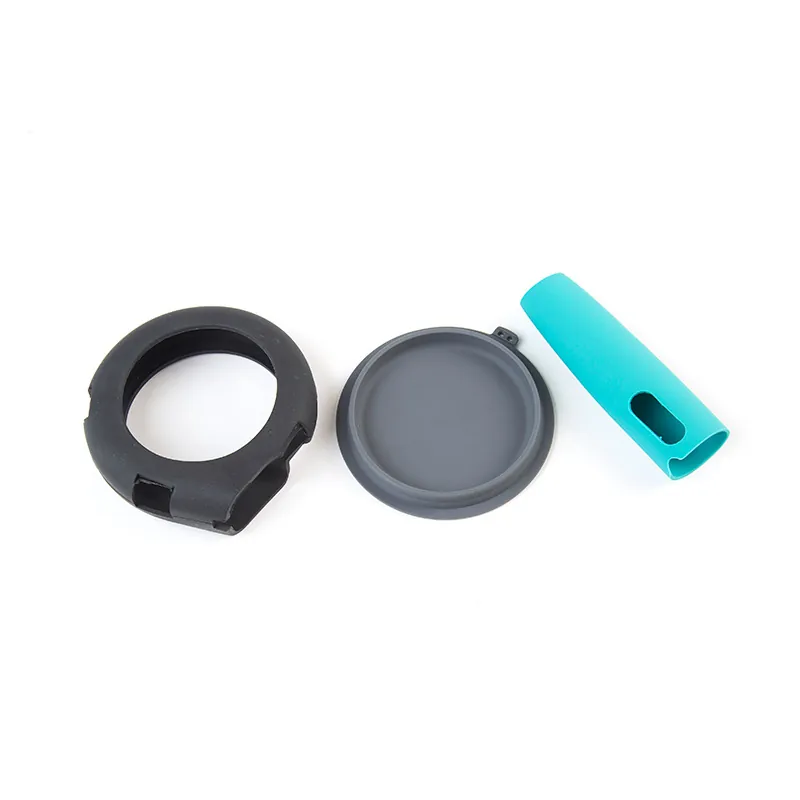
Tolerance questions arrive as a single number and cannot be answered as one. A tolerance is only meaningful against a dimension, and in moulded elastomer a small number of dimensions matter far more than the rest. This guide explains what drives variation and how to specify what actually needs holding.
Why Moulded Elastomer Is Different
Metal is cut to size. Elastomer is shaped hot and then shrinks as it cools, which means every dimension of a moulded silicone part is the result of a shrinkage prediction rather than a direct cut. Silicone shrinks appreciably and the amount depends on the compound, the cure and the section thickness - thicker sections cool more slowly and behave differently from thin ones. This is why a tolerance quoted for machined aluminium cannot simply be carried across to a silicone drawing.
Our Working Reference
Our working reference is plus or minus 0.05 mm on critical moulded dimensions under controlled conditions. That figure is deliberately attached to three conditions, and the most important of them is that the dimension has to be critical. We do not state a tolerance without knowing which dimensions the design actually depends on, because a blanket figure either over-promises on the dimensions that matter or adds cost on the many that do not.
Critical Versus Non-Critical Dimensions
| Critical dimensions | Non-critical dimensions |
|---|---|
| Decide fit, sealing contact or assembly | Cosmetic or non-functional geometry |
| Worth controlling individually in the tool | Held to general moulding tolerance |
| Named and numbered on the drawing | Left covered by a general note |
| Measured and recorded on the inspection record | Visually checked |
What Actually Drives Variation
- Shrinkage - differs by compound, cure and section thickness, so a thin web and a thick boss in the same part do not behave alike
- Flash thickness at the parting line, which adds material where the tool halves meet
- Tool wear across the life of the mould
- Cure state - undercured parts stay dimensionally unstable
- Demoulding stretch, which is why soft compounds are harder to hold than hard ones
- For flexible parts, how the part is supported when it is measured
How to Specify Tolerance Well
- Number the dimensions that matter and give each its own tolerance, rather than one general tolerance over the whole drawing
- Say what each dimension does - "seals against the housing bore" tells us far more than "plus or minus 0.1"
- Give a datum. On a flexible part, tolerance without a datum is not measurable
- Define the measurement condition if the part is very soft, because a soft part measured unsupported reads differently from one measured in a fixture
- Where a dimension is purely cosmetic, say so - it stops us spending tool time on it
The Honest Answer When a Tolerance Cannot Be Held
Some requests cannot be met in moulded elastomer: an ultra-fine tolerance across a long span, or a tight tolerance on a compound so soft that the part cannot be measured repeatably. When that happens we say so at the drawing review stage rather than quoting and failing later. Sometimes the answer is a design change - a location rib, a harder compound, or a stiffer insert doing the locating - and sometimes the part should be machined instead. Saying that early is cheaper for both sides than discovering it at first article.
Frequently Asked Questions
Our working reference is plus or minus 0.05 mm on critical moulded dimensions under controlled conditions. It applies to named critical dimensions, not to the whole part, and it depends on the compound and the geometry.
Because tolerance is only meaningful against a dimension that matters. A blanket figure either over-promises on the dimensions the design depends on, or adds cost to the ones it does not.
Usually not directly. Moulded elastomer is shaped by shrinkage from a hot tool rather than cut to size, so the achievable tolerance is set by different factors. Send both drawings and the difference can be assessed properly.
Number them, give each its own tolerance, and state what the dimension does. For example, "diameter seals against housing bore". Give a datum so the dimension is measurable on a flexible part.
Very soft parts need a defined measurement condition, usually a support fixture, for a reading to mean anything. If that is not practical we will say so and discuss whether a harder compound or a design change resolves it.
Related Pages
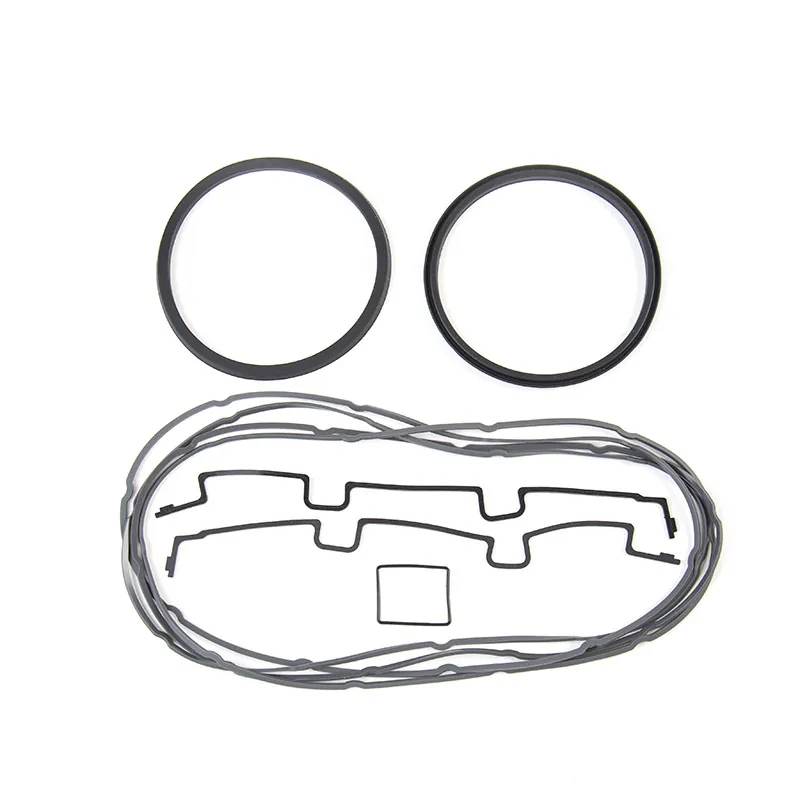
Custom Rubber Seals
Moulded seals and profiles where a standard O-ring geometry cannot follow the joint.
Components for Industrial Automation
Sealing and protection parts for automation equipment and high duty cycles.
Custom Tooling and Mould Design
What the mould design decides about the tolerance you actually get.
Send Your Drawing
Send the drawing with the critical dimensions marked and we will review tolerance before quoting.