Components developed from customer drawings
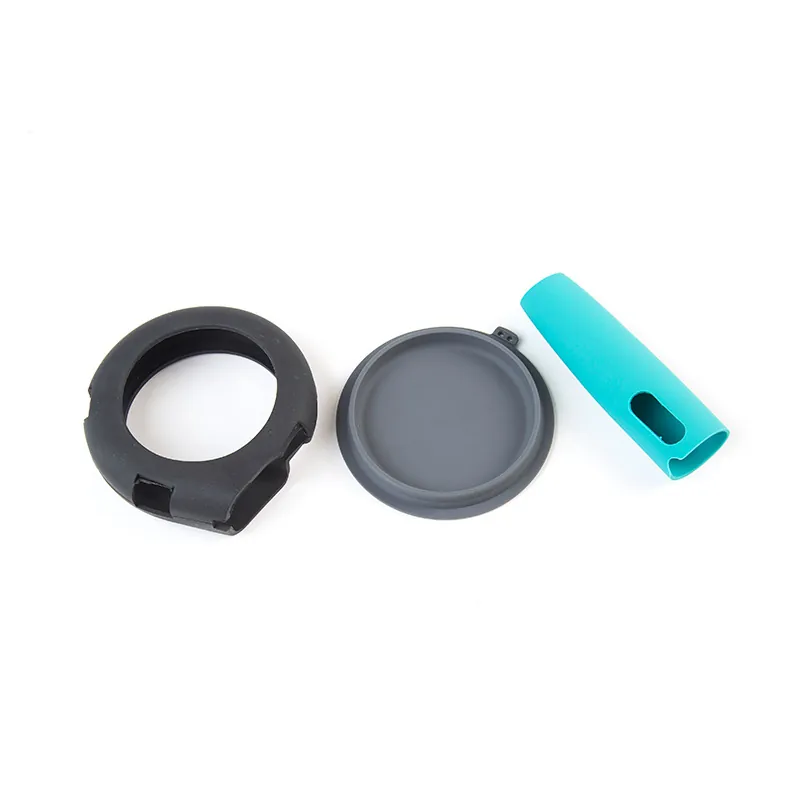
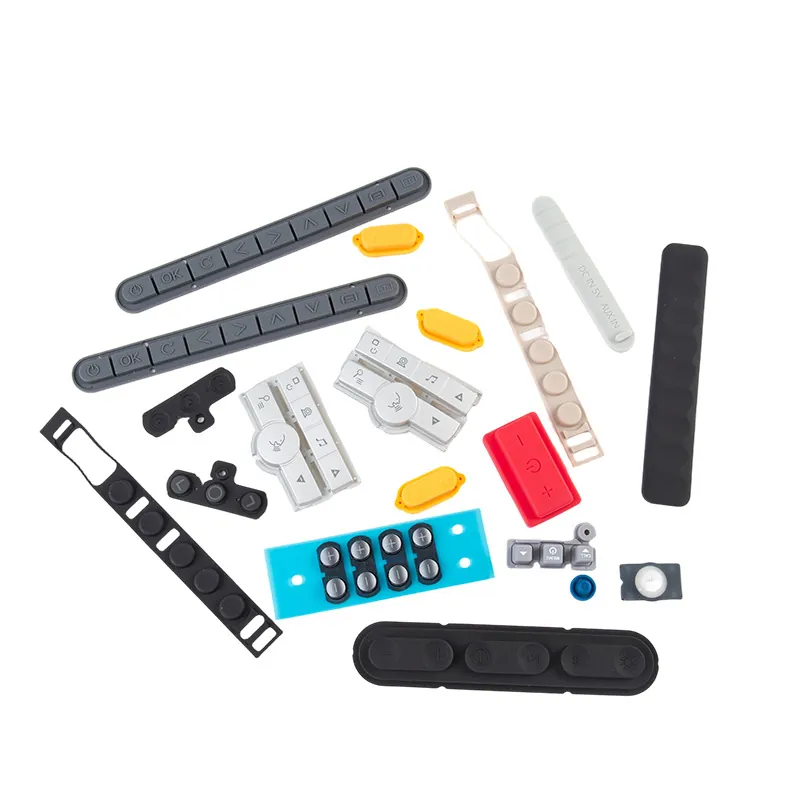
The quality of a quotation depends on the quality of the enquiry. This is what we need in order to answer accurately, and why each item matters - so the first reply is a quotation rather than a list of questions.
What a Drawing Has to Tell Us
| Item | Why it changes the answer |
|---|---|
| Critical dimensions, marked | Tolerance is only stated against dimensions the design depends on |
| Material and hardness, or the operating conditions | Sets the compound; if unknown, tell us the conditions instead |
| Section thickness and where it changes | Drives cure behaviour and where a part distorts |
| Cosmetic surfaces | Decides where the parting line and flash can be |
| Colour, and a physical reference where possible | Colour is verified on a moulded part, not on a chip alone |
| Annual volume and first order quantity | Sets cavity count and how tooling cost is spread |
Critical Dimensions Are the Most Important Thing on the Sheet
A drawing covered in a single general tolerance tells us almost nothing about what matters. The useful version numbers the dimensions that decide fit, sealing contact or assembly, gives each its own tolerance, and says what each one does. That single change is usually what turns a slow quotation into a fast one. On a flexible part, add a datum as well - a tolerance without a datum cannot be measured repeatably.
What to Send If There Is No Drawing
- A 3D model - STEP, IGES or STL is ideal
- A 2D drawing in PDF, DWG or DXF
- A photograph of an existing part, with something for scale in the frame
- A physical sample, which lets us measure hardness, section and colour directly
- For a replacement part, the original if it can be spared - measured parts are more reliable than described ones
Units, Datums and Measurement
State the units. Say which dimensions are measured on the finished part and which are tool dimensions. Where a part is soft, note how it should be supported when it is measured, because an unsupported soft part reads differently every time it is put on the bench. None of this is pedantry - each one has caused a rejected first article somewhere.
Confidentiality
If the drawings are sensitive, say so before you transmit them. We will send our NDA or sign yours first. That step exists precisely so that drawings can be shared without a commercial conversation in parallel.
What Happens After You Send It
- An engineer reviews the drawing for manufacturability, material and tolerance
- You get feedback on anything that will not work as drawn, before pricing
- Tooling scope, sample cost and volume pricing come back as separate lines so you can see what you are buying
- On approval, the tool is cut and first-article samples are produced for your testing
- Process parameters are locked and production begins with inspection records
Frequently Asked Questions
A drawing or 3D model with the critical dimensions marked, the material and hardness or the operating conditions, the colour, and the expected volume. A sample or photograph works where no drawing exists.
Yes. A photograph with something for scale in the frame is a starting point, and a physical sample is better still because hardness and section can be measured directly.
STEP, IGES or STL for 3D; PDF, DWG or DXF for 2D drawings. Photographs are fine as JPG or PNG and should include a scale reference.
Tell us before you send the files. We will send our NDA or sign yours first, so drawings are shared with that in place.
It varies with the drawing, so we do not quote a lead time until we have seen it. What we do commit to is a dated answer once the enquiry is complete - which is why the items above matter.
Related Pages
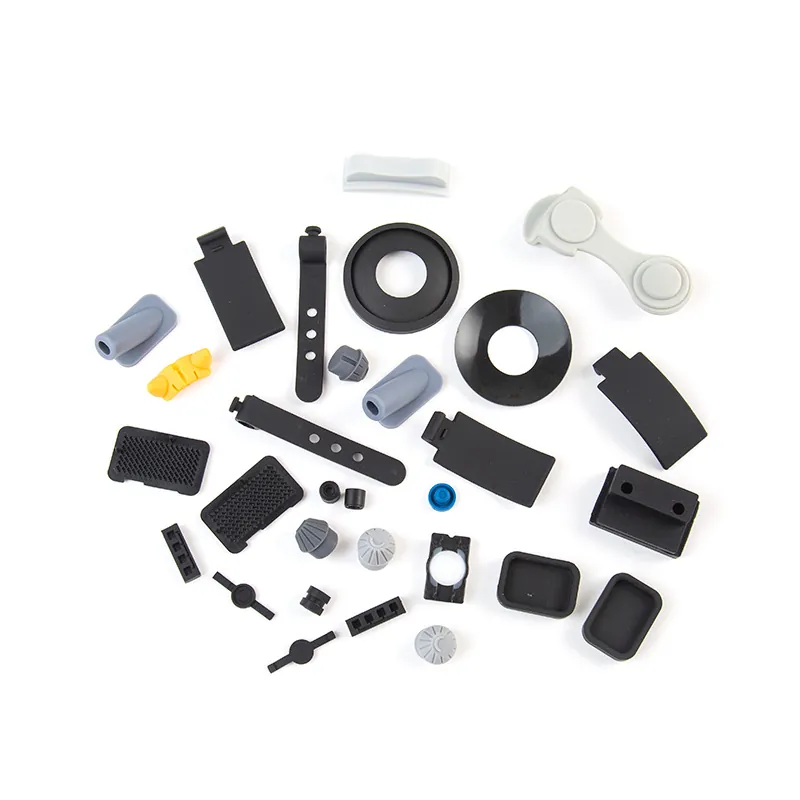
Custom Rubber Parts
Rubber components developed from a drawing or a sample, including replacements.
Silicone Components for Robotics
Programme components where drawings, iterations and validation overlap.
Engineering FAQ
Direct answers on RFQ, tooling, tolerances, MOQ, NDA and documentation.
Send Your Drawing
Send the drawing, model or sample and an engineer reviews it before anything is priced.