Components produced by compression moulding
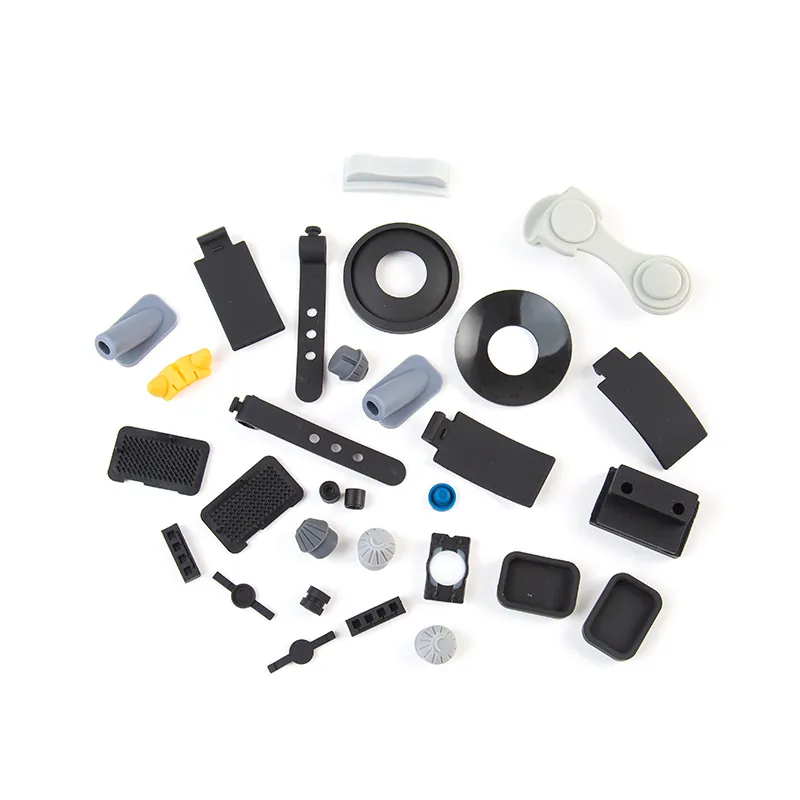
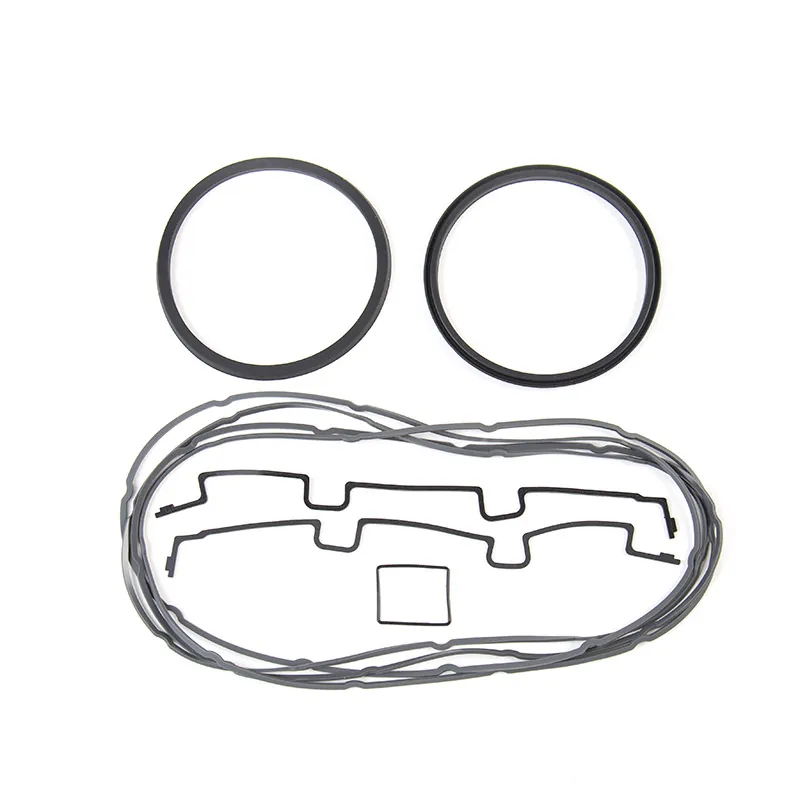
Compression moulding is the older of the two processes we run and still the right answer for a large share of parts. This guide explains how it actually works, where it beats liquid silicone rubber and where it does not, so the process choice follows your part rather than our convenience.
How the Process Works
- A pre-formed blank of uncured compound is placed into the heated lower mould cavity
- The mould closes and pressure forces the compound to fill the cavity
- Heat and pressure cure the compound for a set time at a set temperature
- The mould opens and the part is demoulded, then trimmed of the flash formed at the parting line
Compression Moulding Against LSR
| Consideration | Compression moulding | Liquid silicone rubber (LSR) |
|---|---|---|
| Typical geometry | Thicker sections, moderate hardness, simpler shapes | Thin walls, fine detail, more complex geometry |
| Hardness fit | Well suited across our 20-80 Shore A working range | More often used at the softer end |
| Volume economics | Prototype through mid volume | Becomes more economical at higher volume |
| Tooling | Generally lower cost and faster to first article | Higher cost, offset by precision and volume |
| Fatigue behaviour | Good when the compound is chosen for it | Preferred where continuous flexing dominates |
| Clarity | Limited | High-clarity grades available |
When Compression Moulding Is the Right Answer
- The part has a moderate section and does not need very fine detail
- You need first-article samples quickly, or the design is not yet frozen
- Volume is low to moderate, so a high-cost precision tool would not pay back
- The geometry is simple enough that the compound fills the cavity reliably
- Prototype-to-production continuity matters more than the lowest unit cost
What Controls the Quality of the Result
Cure time and temperature, the pressure the press applies, the accuracy of the blank weight, and the state of the tool. Blank weight matters more than people expect: too little and the cavity does not fill, too much and flash thickens and dimensions drift. Tool condition matters because wear at the parting line shows up as increasing flash and eventually as out-of-tolerance parts.
Why We Still Run It
It is common to hear that compression moulding is the legacy process. In practice it remains the economical choice for a large class of industrial parts, and the tooling is usually faster and cheaper to bring to first article. For a design that is still being iterated, that speed is worth more than the unit-cost advantage a more expensive tool might deliver later.
Frequently Asked Questions
No, it is the economical choice for a large class of industrial parts. It is generally faster and cheaper to bring to a first article than a liquid silicone rubber tool, which matters most while a design is still being iterated.
When the geometry needs thin walls or fine detail, when high clarity is required, or when continuous flexing dominates the duty and volume justifies the higher tooling cost.
It covers our full working range of 20-80 Shore A, and is used most often with moderate hardness parts that have thicker sections.
Yes, every part is made to drawing and needs a tool. Tooling cost is refundable against volume production, and first-article samples are supplied before production.
Tool life depends on the compound, the geometry and how the press is run, so we do not quote a cycle count. What we do is inspect the tool and replace or rework it before wear starts affecting dimensions.
Related Pages
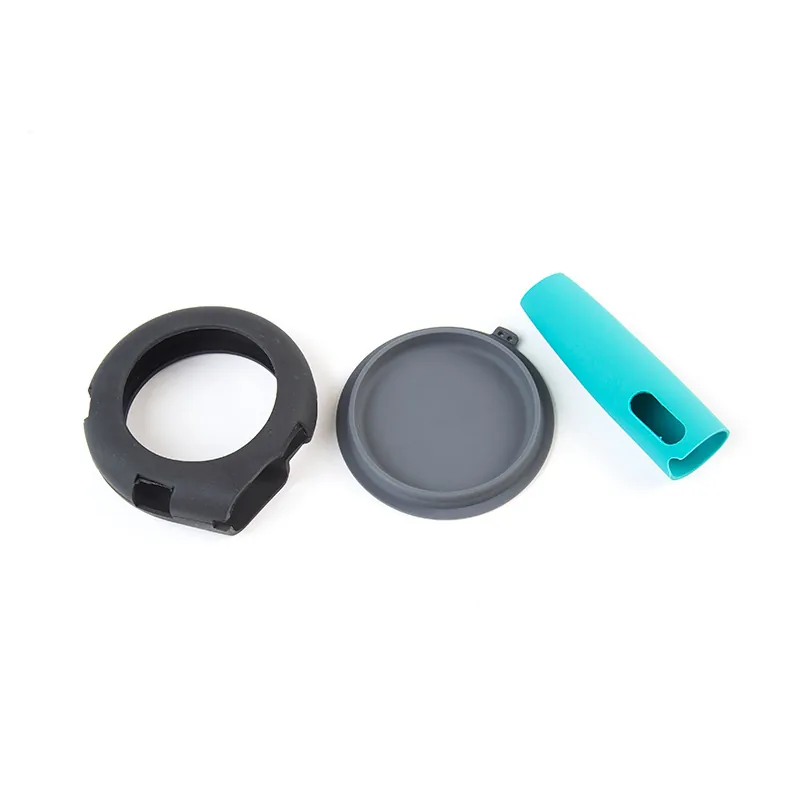
Custom Silicone Parts
Parts moulded to drawing for OEM applications, from a 2D drawing or a 3D model.
Components for Industrial Automation
Where these parts sit in automation equipment and what changes at high duty cycle.
Silicone Molding
Compression moulding and LSR side by side, and how we choose between them.
Request a Quote
Send your requirement and we will come back with process, tooling scope and volume pricing quoted separately.